

With over more than a decade of experience in the human services and mental health field, more specifically with Dialectical Behavior Therapy (DBT), I’ve had the privilege of working with highly sensitive and intelligent individuals from all walks of life. My background in professional psychology ensures that my approach is grounded in advanced training and clinical expertise.
As a psychologist, I understand the importance of language skills and cultural competence in delivering effective therapy and enhancing client engagement. From professionals in demanding fields to university students navigating new challenges, a common thread I see is the desire for practical tools to manage life’s complexities with greater ease. My mission is to provide compassionate, evidence-based therapy that empowers you to overcome emotional barriers and build a fulfilling life.
One of the most effective tools I use in my practice is Dialectical Behavior Therapy, or DBT. A DBT workbook can be a powerful ally on your journey, offering structured exercises to help you build resilience and find balance. Let’s explore how you can use one to transform your everyday coping skills.
Why DBT Skills Matter in Everyday Life
Life is filled with moments that test our emotional strength. Whether it’s managing stress at work, navigating a difficult conversation, or simply dealing with overwhelming feelings, having the right skills can make all the difference. This is where DBT shines. With DBT, you can transform your everyday coping skills. DBT skills are specifically designed for enhancing emotional well being by providing practical strategies and exercises to help you manage emotions more effectively.
Understanding Dialectical Behavior Therapy
Dialectical Behavior Therapy is a type of cognitive-behavioral treatment that was originally developed to treat borderline personality disorder, and has proven highly effective in treating borderline personality disorder by managing emotional dysregulation and reducing self-destructive behaviors. Its success has led to its application for a wide range of other mental health problems, including post-traumatic stress disorder, depression, and anxiety. The core of DBT is helping you learn and use new dbt skills to build a life you experience as worth living.
Ready to Start Therapy?
Your healing journey can begin today. Fill out the form below to connect with a therapist who truly listens and understands.
These dialectical behavior therapy skills are designed to help you manage intense emotions, reduce conflict in relationships, and navigate painful situations without making them worse. In my work as a mental health professional, I’ve seen how these skills empower people to move forward with confidence and clarity.
The Power of Learning Mindfulness and Awareness Skills
The foundation of DBT is learning mindfulness. Mindfulness is the practice of paying attention to the present moment without judgment. By developing these awareness skills, you can learn to observe your thoughts and feelings without getting carried away by them.
This shift from reactive to intentional action is transformative. Instead of being controlled by your emotions, you gain the ability to choose how you respond. Research supports the positive impact of mindfulness on well-being, showing improvements in areas like mindfulness interpersonal effectiveness emotion regulation.
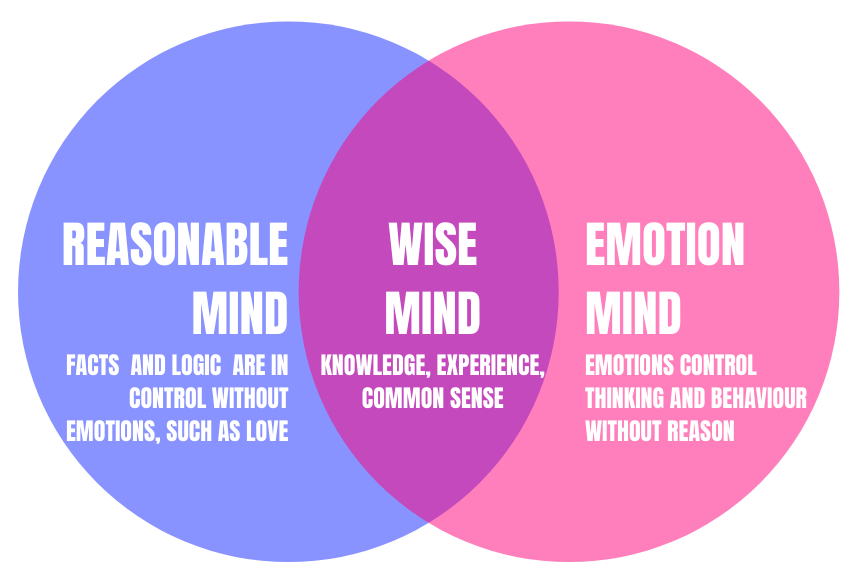
“DBT Wise mind” by BunnyPG is licensed under CC BY-SA 4.0
How a DBT Workbook Helps You Build Skills Step by Step
While therapy sessions are crucial, the real work often happens between appointments. A DBT workbook serves as your personal guide, allowing you to practice and integrate skills into your daily life. It is specifically designed for making DBT skills usable by translating complex concepts into practical, everyday tools.
A Clear and Practical Guide for Real and Lasting Change
A good DBT workbook offers a structured, clear, and practical guide to learning these valuable skills. The accessible and clear instructions break down complex concepts into manageable steps, making it easier to apply what you’re learning. This structured approach fosters a collaborative effort between you and your therapist, creating a powerful partnership for growth. DBT therapists play a crucial role in guiding clients through workbook exercises and supporting skill development.
Replacing Traditional Skills Training With Practical DBT Exercises
Workbooks bring DBT concepts to life with practical dbt exercises. Unlike more passive learning, these exercises encourage you to actively engage with the material. Many modern workbooks include advanced skills chapters that go beyond traditional skills training, offering deeper insights and new techniques.
The development of these resources often involves input from international DBT consultant and clinical psychology communities, as well as the inclusion of research and clinical instruments such as worksheets and exercises that support skill development, ensuring they are rooted in the latest evidence-based practices.
The Role of Cognitive Behavioral Therapy Workbook Techniques
DBT is a form of cognitive behavioral therapy, and a DBT workbook often integrates techniques from this broader field, such as cognitive rehearsal, as well as techniques focusing on skill development and emotional regulation that are essential to DBT. These tools help you challenge unhelpful thought patterns and effectively regulate emotions. While a dialectical behavior therapy diary helps track your daily experiences, a workbook provides the structured exercises needed to build new, healthier habits.
Core Areas a DBT Workbook Helps You Strengthen
A DBT workbook is typically organized into four key modules, each designed to build a specific set of skills. The workbook encourages you to utilize skills from each module in real-life situations, helping you apply what you’ve learned to improve emotional regulation and coping strategies.
Mindfulness Interpersonal Effectiveness Emotion Skills
Mindfulness practice is the starting point and the anchor for all other skills. Introductory exercises are foundational activities that help beginners build DBT skills before moving on to more advanced techniques.
An introductory exercise you can try right now is to simply focus on your breath for one minute. Notice the sensation of the air entering and leaving your body without trying to change anything. This simple act of learning mindfulness is the first step.
Interpersonal Effectiveness Emotion Regulation
Healthy relationships are vital to our well-being. Interpersonal effectiveness skills help you navigate social interactions with confidence and respect. This includes communication skills development, which is essential for expressing your needs, setting boundaries, and resolving conflicts in a way that preserves your relationships
Life skills coaching can further support the development of interpersonal effectiveness and emotion regulation skills by providing practical strategies to enhance communication and manage emotions in everyday situations. At the same time, emotion regulation skills teach you to identify, understand, and influence your emotions, helping you feel more in control.
Distress Tolerance and Surviving Painful Emotions
Difficult situations are a part of life. Distress tolerance skills provide you with concrete strategies for surviving painful emotions without acting on impulses that could make things worse. These techniques help you survive painful emotions and focus on getting through a crisis without losing control.
For example, a client might use a “cold water” technique—splashing their face with cold water—to quickly ground themselves when feeling overwhelmed. Exposure-based cognitive rehearsal is another method, allowing individuals to practice coping strategies during emotional arousal, bridging the gap between learning skills and applying them in real-life situations.
Building Self Compassion and Emotional Intelligence
Ultimately, the goal is to cultivate a kinder, more understanding relationship with yourself. Emotional skill building through a workbook promotes self-compassion and enhances emotional intelligence.
This aligns with principles found in mindfulness-based stress reduction and the new happiness workbook concepts, fostering long-term emotional well-being.
Who Benefits Most From Using a DBT Workbook
A DBT workbook can be a valuable resource for a wide range of individuals. DBT workbooks can also be incorporated into brief therapy treatments, serving as effective, time-limited interventions for conditions such as depression, anxiety, and trauma.
For Individuals Struggling With Trouble Managing Intense Emotions
This includes people diagnosed with:
- Borderline personality disorder
- Post-traumatic stress disorder
- Other mental health problems like anxiety, depression, and shame
- Anyone who feels overwhelmed by their emotions, including young adults and professionals
For People Seeking a Clear and Practical Guide to Improving Their Lives
A workbook is ideal for those who:
- Want step-by-step exercises to guide their learning
- Need structured support between therapy sessions
- Are working with a licensed counselor, DBT parent coach, or other mental health professional
How I Integrate DBT Workbook Practice Into Therapy
In my practice, I see workbooks as a vital component of the therapeutic process. As fellow dialectical behavior therapy participants—whether therapist or client—we engage in a collaborative journey, working side by side to build skills and foster growth.
A Personalized, Evidence-Based Approach
I use DBT workbooks to support treatment planning and formulation. The exercises provide a framework for cognitive rehearsal, allowing you to practice skills in a safe context before applying them in the real world.
Filling out a dialectical behavior therapy diary helps us track your progress, identify patterns, and refine our approach together, strengthening our therapeutic alliance.
Why This Matters for Your Healing and Growth
Consistent practice with a workbook accelerates change. When you build skills and use them regularly, you enhance your resilience and create a foundation for lasting emotional well-being. I have seen countless clients use these tools to build more fulfilling and balanced lives.
Overcoming Challenges as You Work Through Your DBT Workbook
As you embark on your dialectical behavior therapy (DBT) journey with a workbook, it’s completely normal to encounter obstacles along the way. Developing awareness skills is key to recognizing when you’re facing trouble managing intense emotions or feeling overwhelmed by the process. These moments can be challenging, but they are also opportunities for growth.
One of the most common hurdles is dealing with intense emotions that can sometimes feel unmanageable. When you notice yourself struggling or on the verge of losing control, it’s important to lean into the emotional regulation skills and distress tolerance techniques you’re learning. Mindfulness exercises, for example, can help you pause and observe your feelings without judgment, while distress tolerance strategies offer practical ways to survive painful moments without making things worse.
Remember, you don’t have to navigate these challenges alone. Reaching out to a mental health professional or a DBT therapist can provide valuable support and guidance as you practice skills and work through difficult emotions. DBT is designed to be a collaborative effort, and having someone in your corner can make a significant difference in your progress.
Staying motivated can also be tough, especially when progress feels slow. Break your goals into smaller, manageable steps and celebrate each achievement, no matter how small. This approach not only builds confidence but also reinforces your commitment to the process. Be patient with yourself—overcoming challenges is a natural part of learning new skills and effectively regulating emotions. With persistence and support, you’ll find yourself better equipped to handle whatever comes your way.
Maintaining Progress and Staying Motivated
Maintaining your progress and staying motivated are essential for achieving real and lasting change through dialectical behavior therapy (DBT). Consistent practice is the foundation of growth, and integrating practical DBT exercises—like mindfulness practice or cognitive rehearsal—into your daily routine can help you solidify new habits and advanced skills chapters.
Focus on building and reinforcing skills in the four core areas of DBT: distress tolerance, mindfulness, emotion regulation, and interpersonal effectiveness. By regularly practicing these evidence-based skills, you’ll become more adept at managing intense emotions and navigating challenging situations, which is crucial for improving your overall emotional well-being and emotional intelligence.
Support from a mental health professional or a DBT parent coach can be invaluable in helping you stay on track and motivated. They can offer guidance, encouragement, and accountability as you continue to develop and utilize your skills. Remember, setbacks are a normal part of the journey—don’t be discouraged if you encounter difficulties or feel like progress is slow. Practicing self-compassion and recognizing your efforts are just as important as the skills themselves.
With time, patience, and a commitment to your DBT practice, you’ll find yourself better equipped to handle life’s ups and downs. By staying engaged with your workbook, seeking support when needed, and focusing on your growth, you can achieve meaningful, lasting change and enjoy greater emotional well-being.
Getting Started: Your First Steps With a DBT Workbook
Ready to begin? Here’s how you can get started on the right foot. A stress reduction workbook can also be a helpful resource for managing stress and anxiety.
How to Choose the Right Workbook
Look for a practical guide with clear, translated DBT skills and step-by-step exercises. Ensure it is based on evidence based dbt skills. Some workbooks are designed for beginners, while others offer advanced skills chapters for those with more experience.
Set Yourself Up for Success
Remember that small steps count. Create a consistent weekly routine to practice skills, even if it’s just for a few minutes each day. The goal is progress, not perfection.
When to Work With a Professional
While a workbook is a powerful tool, working with a dbt therapist or another qualified mental health professional can significantly enhance your progress. This collaborative effort ensures you are applying the skills correctly and provides personalized support for your unique challenges.

Photo by Alex Green on Pexels
Final Encouragement From Me
My vision is to empower you to overcome personal challenges and embrace your full potential. I truly believe that with the right tools and support, you can transform past struggles into wisdom and strength.
A skills training manual or cognitive behavioral therapy workbook can be an incredible resource on this journey. I encourage you to start practicing these skills today, even one small exercise at a time. You have the capacity to develop skills that will help you navigate challenges and create a meaningful life.
If you feel you would benefit from professional support on your journey, I invite you to reach out. Together, we can work toward building the resilience and clarity you deserve.