

Acute vs Chronic Conditions: How does your illness affect your mental health?
As a psychologist, I often meet individuals who are not only managing medical conditions but also navigating the immense emotional weight that comes with them. Whether it’s a sudden injury or a lifelong illness, your physical health is deeply intertwined with your mental well-being. Broadly speaking, the duration, severity, and course of an illness deeply affect your stress levels, identity, and emotional resilience.
Understanding the distinction between acute and chronic conditions is more than just a medical definition; it’s a framework for recognizing why your emotional experience might feel a certain way.
This article will help you:
- Clarify the differences between acute and chronic conditions.
- Explore how each one affects stress, identity, and emotional resilience.
- Explain how therapy supports patients over both short-term and extended periods.
What Are Acute Conditions?
An acute condition is characterized by its sudden onset and relatively short duration. While symptoms can be severe, they are typically temporary. Think of it as a brief but intense interruption to your normal life.
Common examples of acute conditions include:
- The flu or a common cold
- A broken bone, like a broken leg
- An acute injury from an accident
- Bacterial or viral infections
- A stroke, which is a critical acute event
Care for these acute diseases often requires immediate medical attention from healthcare providers in an emergency or short-term setting. Treatment might involve surgery, medications, rest, or other treatments designed to resolve the issue directly.
Ready to Start Therapy?
Your healing journey can begin today. Fill out the form below to connect with a therapist who truly listens and understands.
The psychological impact of an acute condition is often one of shock and fear at the outset, followed by stress during the recovery period. However, this anxiety is usually contained. Most people expect acute illnesses to resolve. There is a sense of a finish line—a point where you will heal, and life will return to normal. When the symptoms finally fade, the dominant feeling is often one of relief.
What Is a Chronic Illness and Chronic Disease?
A chronic illness is fundamentally different. By definition, it is a condition that lasts for six months or longer, and for many, it is a lifelong journey. The focus shifts from finding a cure to implementing ongoing management.
Examples of chronic disease include:
- Diabetes
- Asthma
- Arthritis
- Heart disease
- Cancer
- Chronic kidney disease
- Alzheimer’s disease
- Osteoporosis
These chronic medical conditions present a unique set of challenges. Symptoms may worsen over time, and the illness can affect multiple organs, leading to potential complications. Living with a chronic condition often involves a consistent regimen of medications and various treatment options to manage symptoms. The core question changes from “How do I cure this?” to the much more complex question, “How do I live with this?”
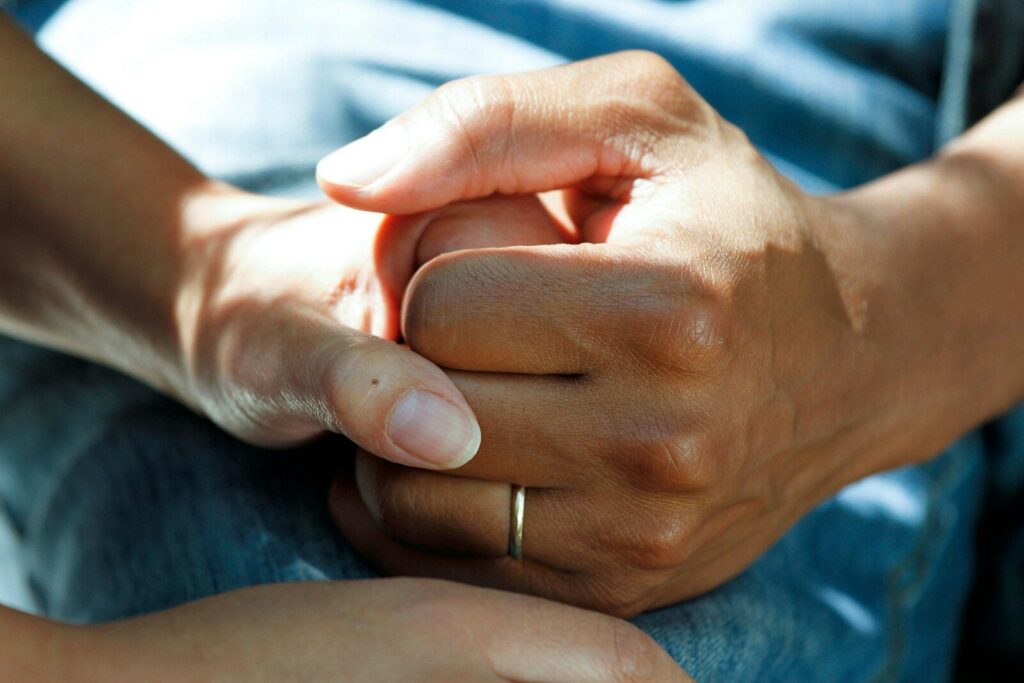
Photo by National Cancer Institute on Unsplash
Acute and Chronic Conditions: Key Differences
While both types of conditions impact your life, their effects on your mental and emotional health are distinct.
Let’s compare them:
- Onset: Acute conditions appear suddenly. Chronic conditions can develop gradually or begin as an acute event that never fully resolves.
- Duration: Acute illnesses are short-term. Chronic diseases are long-term, often lasting a lifetime.
- Course: Acute conditions typically follow a predictable course of recovery. The course of a chronic illness can be unpredictable, with periods of remission and relapse.
- Outcomes: The expected outcome for an acute condition is a cure or full recovery. For a chronic illness, the outcome is management and adaptation.
- Treatment: Acute care focuses on healing the immediate problem. Chronic care focuses on managing symptoms, slowing progression, and improving quality of life.
This distinction creates a profound identity shift. With an acute illness, you are a temporary patient. With a chronic illness, you integrate the role of “patient” into your ongoing identity, which requires a complete reorganization of your life.
How Chronic Disease Affects Mental Health
Living with a chronic illness over an extended period creates a unique psychological landscape. The constant demands of managing the condition can lead to significant emotional strain.
- Emotional Impact: It is common to experience anxiety about potential complications, depression from ongoing pain or discomfort, and burnout from the constant vigilance your condition requires. Many also feel a sense of grief over the loss of their former health and abilities.
- Professional Impact: For high-achieving professionals, this can be especially difficult. You may struggle with reduced stamina or cognitive “brain fog” while feeling the same pressure to perform at work. Your professional identity can feel threatened.
- Identity Disruption: You might find yourself thinking, “I used to be so reliable,” or “I don’t even recognize my body anymore.” This disconnect can be incredibly disorienting and isolating.
- The Stress Cycle: A vicious cycle can develop where physical symptoms worsen emotional distress, and that emotional distress, in turn, can exacerbate physical symptoms. This can also lead to relational strain, as loved ones may not fully understand the daily reality of your experience.
Mental Health and Acute Conditions
An acute injury or disease produces its own form of psychological stress. The experience is often marked by fear, a temporary feeling of helplessness, and frustration during the recovery process. The stress is intense, but it is also time-limited.
Think of the difference this way:
- An acute condition triggers a crisis response. Your resources are mobilized to get through a defined, difficult period.
- A chronic condition requires an endurance response. You must learn to conserve and manage your resources for a marathon with no clear finish line.
Even with a short-term illness, emotional support is crucial for processing the event and navigating the path back to normalcy.
Therapy for Medical Conditions
As a psychologist, I integrate evidence-based approaches like Dialectical Behavior Therapy (DBT) to provide practical tools for these exact challenges. My work focuses on building skills in mindfulness, emotional regulation, and distress tolerance.
In therapy, we can focus on:
- Managing the uncertainty and pain that comes with your condition.
- Learning pacing and energy conservation to avoid burnout.
- Building emotional resilience to navigate setbacks.
- Reducing self-criticism and adjusting expectations.
For those with a chronic illness, we work on identity reconstruction—finding meaning and a sense of self beyond the disease. It’s about practicing acceptance without resignation. For those recovering from an acute condition, we can focus on processing the crisis or trauma and creating a plan for returning to life with confidence. This process often includes collaborating with your other healthcare providers, including physicians and specialists in occupational therapy, to ensure holistic support.

When Medical Conditions Affect Your Mental Health
Your emotional response to illness is valid. It is not a sign of weakness to feel overwhelmed, sad, or frustrated.
You may benefit from therapy if:
- Your symptoms feel overwhelming and all-consuming.
- You feel isolated, alone, or misunderstood.
- Your stress levels remain consistently high.
- You are struggling with feelings of grief, anger, or hopelessness.
- Your condition is negatively affecting your work, relationships, or sense of self.
Seeking support is a proactive step toward regaining control over your well-being.
Acute vs Chronic Conditions | From Surviving to Living Fully
My mission is to help you transform struggle into strength and build a life that feels authentic and fulfilling. While some diseases cannot be cured, the emotional suffering that accompanies them can be treated. It is possible to foster self-acceptance, navigate your challenges with grace, and find balance again.
With the right tools and support, you can move from simply surviving to living a full and meaningful life.