


Whether it’s general surgery, heart surgery, breast surgery, or laparoscopic surgery, preparing for surgical procedures can feel overwhelming. It is completely normal to feel a mix of emotions. Anxiety, fear of pain, concerns about recovery, and uncertainty about risk are common experiences that many people face.
As a licensed psychologist, I want to clarify that this article does not provide medical advice. Instead, it focuses on the emotional and psychological preparation that often gets overlooked in the rush of medical appointments. We frequently focus on the physical aspect—the tissue, the anatomy, the procedure itself—but we forget the person experiencing it.
Therapy can be a proactive tool, not just a reactive one. Pre-operative therapy strengthens your emotional readiness before distress escalates. It allows you to enter the operating room with a regulated nervous system and a clear mind, ready for healing.
Introduction to Surgical Procedures
As a therapist, I’ve sat with many clients who felt overwhelmed the moment they were told they needed surgery. That reaction is completely human. When you hear words like “procedure” or “operation,” your mind can race with questions, fears, and what-ifs.
Surgical procedures are medical interventions performed to repair, remove, or replace damaged or diseased tissues and organs in the body. They range from common operations like hernia repairs and appendectomies to more specialized procedures in areas such as breast surgery, vascular surgery, or colon and rectal surgery. Each situation is different, and medical teams tailor their approach to your specific needs.
Ready to Start Therapy?
Your healing journey can begin today. Fill out the form below to connect with a therapist who truly listens and understands.
One of the most significant advancements in modern medicine has been the rise of minimally invasive techniques, such as laparoscopic surgery. Instead of large incisions, surgeons make small openings and use a tiny camera and specialized tools to perform the procedure. This often means less pain, smaller scars, and a faster recovery compared to traditional open surgery.
From a mental health perspective, understanding what your procedure involves can ease some of the anxiety that naturally comes with facing surgery. When you have clear information and space to process your emotions, you can feel more prepared and empowered.
My role isn’t to perform the surgery. It’s to support you through the emotional side of it. Whether you’re feeling anxious, uncertain, or simply need someone to help you think through what this experience means for you, therapy can be a steady place to land as you move forward in your surgical journey.
Emotional Stress Before Surgery
When you are facing a surgical intervention, your mind often races. You might find yourself fixating on what will happen inside your body or worrying about anesthesia. There is often a fear of complications or being blocked from your normal activities for weeks or months.
Different types of surgeries can trigger very specific fears:
- Heart surgery may raise deep concerns about mortality and life.
- Breast surgery or plastic surgery may involve complex feelings about body image and identity.
- Lung surgery or esophageal surgery may trigger primal fears about breathing or eating.
- Gallbladder surgery or hernia repair may feel “routine” to a doctor, yet still provoke significant anxiety in the patient. In gallbladder surgery, gallstones are sometimes broken up to clear obstructions.
Some minor surgical procedures, such as mole excision, are considered easy and straightforward by experienced surgeons.
Even laparoscopic procedures, which are commonly performed using a small camera and minimally invasive techniques, can feel incredibly significant to the person experiencing them.
Experienced surgeons can make even complex procedures feel more manageable for patients.
It is important to remember that anticipatory anxiety affects both your mental and physical health. High stress levels can influence your sleep, your nervous system regulation, and your overall readiness for recovery.

Photo by Jonathan Borba on Unsplash
How Pre-Operative Therapy Helps
Therapy provides a structured, safe space to address these fears before the surgical intervention takes place. It is about moving from a place of “I have no control” to “I can influence how I respond.”
In my practice at Groundbreaker Therapy, I use evidence-based approaches such as Dialectical Behavior Therapy (DBT) to support clients. This helps with:
- Distress tolerance: Learning to handle difficult emotions without being overwhelmed.
- Emotional regulation: Keeping your feelings manageable so you can make clear decisions.
- Mindfulness: Staying present rather than getting lost in catastrophic “what-if” scenarios.
By developing coping skills for pain and discomfort ahead of time, you are essentially packing an emotional “go-bag” for your recovery journey.
What Short-Term Therapy Focuses On Pre-Surgery
Short-term therapy before surgeries is practical, focused, and time-sensitive. We don’t necessarily need to dive into your entire childhood history; instead, we focus on the immediate challenge at hand.
Our core focus areas often include:
- Anxiety reduction: Specific techniques to calm the nervous system.
- Sleep improvement: Resting before surgery is crucial.
- Communication planning: helping you advocate for yourself with your surgeons and medical teams.
- Preparing emotionally for recovery limitations: adjusting to temporary changes in what your body can do.
Pre-operative therapy complements medical treatment. It does not replace guidance from your doctor or surgeons, but it ensures you are mentally prepared to follow their advice.
Minimally Invasive Surgical Options
Over the years, many of my clients have come to therapy while preparing for surgery. One of the biggest shifts in modern medicine, and one that often brings relief, is the rise of minimally invasive surgical options. These techniques have changed not only how surgery is performed, but how people experience recovery.
Procedures like laparoscopic surgery use only a few small incisions. A camera and specialized instruments allow surgeons to operate with precision while minimizing disruption to surrounding tissue. Compared to traditional open surgery, this often means less pain, fewer complications, and a faster return to daily life.
From a mental health standpoint, that difference matters. Surgery can already feel like a major disruption. Knowing that your procedure may involve smaller incisions, shorter hospital stays, and a smoother recovery can ease some of the fear and uncertainty that naturally arise.
Clients often tell me that what scares them most is the unknown. When they understand that minimally invasive options exist for procedures like gallbladder removal, hernia repair, or certain breast and colon surgeries, they begin to feel more hopeful and grounded. Information creates space for calm.
My role is not to perform the surgery, but to help you process what it means for you. We talk about your fears, your expectations, and the practical realities of recovery. We work through anxiety before the procedure and support emotional healing afterward.
Minimally invasive surgery may reduce physical trauma. Therapy can help reduce emotional trauma. Together, they create a path that feels less like a crisis and more like a thoughtful, supported step toward healing.
Pre-Operative Therapy and Specific Types of Surgical Procedures
Laparoscopic Surgery
Even minimally invasive laparoscopic techniques can trigger fear. Laparoscopic surgery involves making smaller incisions compared to traditional surgery, which can lead to faster recovery and less scarring.
Patients often worry about the technology—the camera, the tools—and the idea of internal work being done. Robotic surgery is a form of laparoscopic surgery that uses robotic arms for greater precision. Therapy helps reduce anxiety about anesthesia and the internal procedures performed, building emotional steadiness before and after laparoscopic procedures.
Breast Surgery
This type of surgery often involves deep ties to identity and self-image. Whether it is for medical necessity or reconstruction, therapy supports emotional processing before the changes occur. It provides a safe space to discuss fears that you might not feel comfortable sharing with your surgeon.
Gallbladder Surgery
Gallbladder surgery is often perceived as “routine,” yet it can still provoke stress. This surgery is frequently performed due to the presence of gallstones that cause pain and inflammation, and during the procedure, these stones may need to be broken up to clear obstructions.
Patients may worry about digestive changes or pain. Therapy reduces anticipatory anxiety and helps prepare for the practical recovery adjustments you will need to make.
Esophageal Surgery
Fears around swallowing, breathing, or stomach function are very common with esophageal surgery. Esophageal surgery involves surgical procedures on the esophagus and is used to treat conditions such as acid reflux, GERD, and esophageal cancer.
These functions feel vital to our survival, so anxiety here is natural. Therapy supports coping with uncertainty about recovery and lifestyle changes regarding eating and drinking.
Plastic Surgery
Plastic surgery can bring complex emotional layers, including expectations and self-esteem issues. Therapy helps clarify motivations and reduce unrealistic expectations, supporting emotional stability regardless of the aesthetic outcome.
Lung Surgery
Concerns about breathing and physical stamina may intensify anxiety surrounding lung surgery. Therapy focuses on managing fear and developing coping strategies for feelings of physical vulnerability or shortness of breath during recovery.
Hernia Repair
Though hernia repair is commonly performed by general surgeons, it can still evoke concerns about recurrence, abdominal wall healing, and pain. Therapy reduces stress before and after the procedure, helping you focus on healing rather than worrying about re-injury.
General Surgery and General Surgeons
General surgeons are experienced professionals who undergo extensive training to learn the entire surgical process from start to finish. They perform a wide range of surgical procedures involving tissue, organs, and anatomy, including a full range of open and minimally invasive procedures such as endoscopy, hernia repair, gallbladder surgery, and thyroid surgery.
However, just because a doctor says a procedure is “commonly performed” does not eliminate the emotional impact on you. Therapy validates your feelings and normalizes fear regardless of the type of surgery.
Heart Surgery
Heart surgery is often associated with heightened mortality anxiety. The heart is symbolic of life itself. Pre-operative therapy can be vital here to reduce catastrophic thinking, improve nervous system regulation, and support emotional resilience before the long road of recovery begins.
14 Benefits of Pre-Operative Therapy
- Reduced pre-surgery anxiety: We work to lower the baseline of stress so you aren’t exhausted before you even arrive at the hospital.
- Better emotional preparedness: You will know what to expect emotionally, not just physically.
- Improved nervous system regulation: A calm body heals better than a panicked one.
- Support processing past medical trauma: If you have had bad experiences with doctors or hospitals before, we can work to ensure those memories don’t dictate your current experience.
- Clearer expectations about recovery: We align your hopes with the medical reality to prevent disappointment.
- Stronger coping skills for pain: You will learn psychological tools to manage discomfort alongside pain medication.
- Better communication with surgeons and medical providers: We practice how to ask questions and express our needs clearly.
- Reduced risk of post-operative depression or anxiety: By preparing beforehand, the emotional drop after surgery is often less severe.
- Support for identity or body-image concerns: We process changes to your body in a safe, non-judgmental environment.
- Increased sense of control and agency: You become an active participant in your healing, rather than a passive patient.
- Improved sleep before surgery: Better rest means a stronger body on surgery day.
- Preparation for caregiver or family dynamics: We plan for how you will interact with those helping you, setting healthy boundaries.
- A calmer emotional baseline entering surgery: Walking in with a sense of peace can change your entire experience.
- A structured plan for post-surgery mental health support: You will know exactly where to turn if things get tough during recovery.
Why Emotional Preparation Supports Recovery
High stress affects the nervous system. When your body is in a state of “fight or flight,” it releases cortisol and adrenaline. Lower pre-surgery anxiety may improve sleep, reduce pain amplification, and support immune functioning.
Therapy helps align expectations with medical reality. When you are emotionally ready, you are more resilient. You are better equipped to handle the setbacks that sometimes happen during recovery without spiraling into despair.
Importance of Patient Education
As a therapist, I’ve seen how powerful information can be when someone is facing surgery. The unknown has a way of magnifying fear. When your mind doesn’t have facts, it fills in the blanks with worst-case scenarios. Clear, reliable information changes that.
Patient education helps you understand the procedure you’re having, the potential risks and benefits, and what recovery will realistically look like. That knowledge gives you footing. It turns something vague and overwhelming into something specific and manageable.
Good information can come from conversations with your doctor, educational materials from your hospital, and reputable medical sources that explain procedures in plain language. And yes, every question is valid. When you feel safe asking them, anxiety often begins to soften.
I often notice a shift in clients once they understand their treatment plan. Trust grows. The fear doesn’t disappear entirely, but it becomes more grounded. Instead of spiraling around “what if,” you can focus on “here’s what I know.” That difference matters.
Education also helps you take an active role in your care. You can ask informed questions. You can make decisions that align with your values. You can prepare emotionally for what’s ahead instead of feeling blindsided.
Surgery is a medical event. But it’s also an emotional experience. When you’re informed and supported, it becomes less of a solitary struggle and more of a collaborative process. And that sense of partnership, with your medical team and with yourself, can make all the difference in how you move through it.
Who Benefits Most From Pre-Operative Therapy?
I find that pre-operative therapy is particularly beneficial for highly sensitive, intelligent professionals who prefer structured preparation. These are individuals who want clarity rather than avoidance.
It is also incredibly helpful for:
- Emerging adults are facing surgery for the first time.
- Individuals with past traumatic medical experiences.
- Patients are balancing intense career demands with recovery timelines.
Future of Pre-Operative Therapy
As a therapist, I’ve watched healthcare evolve in powerful ways. One shift that stands out to me is the growing recognition of how important pre-operative therapy can be. For so long, surgical prep focused almost entirely on the body. Meanwhile, the emotional experience quietly carried just as much weight.
If you’ve ever prepared for surgery, you know it’s not just about lab work and consent forms. It’s about fear. It’s about uncertainty. It’s about what this procedure means for your life moving forward. Ignoring that piece never made sense to me.
The future of pre-operative support, in my view, is holistic. Your emotional readiness should be treated as essential, not optional. When we prepare your mind alongside your body, we create a stronger foundation for recovery.
Telehealth has made this even more accessible. You can process your fears, ask hard questions, and build coping tools from the comfort of your home. That accessibility removes one more barrier at a time when you already have enough on your plate.
Research continues to confirm what many of us have seen in practice: when mental health care is integrated into the surgical journey, outcomes improve. Clients who feel emotionally prepared often report less distress, better pain management, and a smoother overall recovery. Emotional resilience and physical healing are not separate tracks. They move together.
As healthcare continues to center the patient as a whole person, I believe pre-operative therapy will become a natural part of surgical care. Not because it’s trendy. Because it works.
You deserve to walk into surgery feeling informed, supported, and steady. Therapy can help you do exactly that.
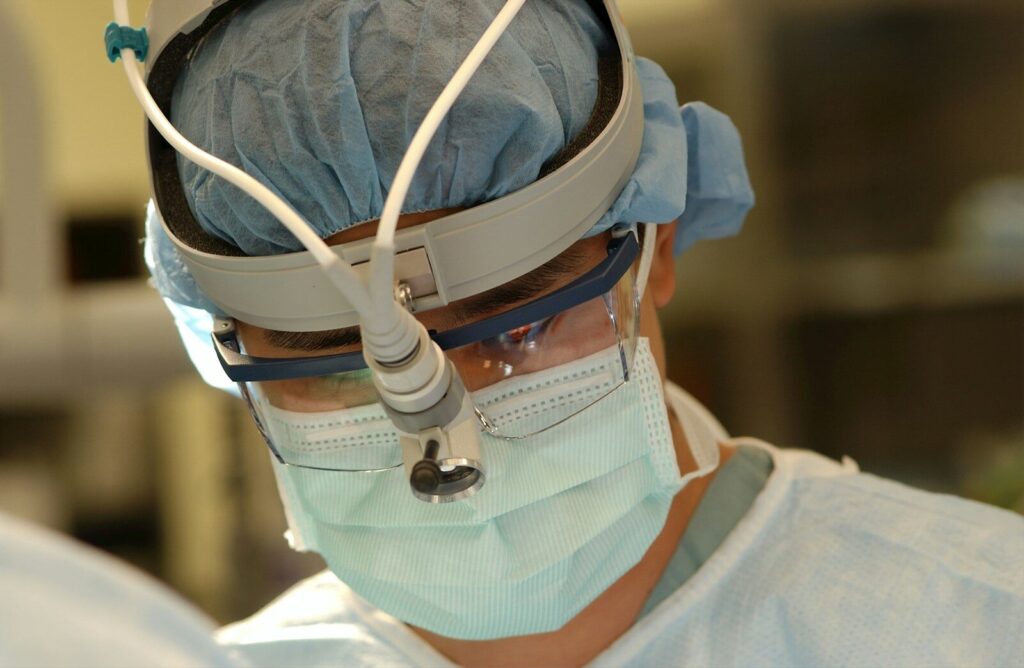
Photo by National Cancer Institute on Unsplash
Surgery Is Physical — Preparation Is Emotional
At Groundbreaker Therapy, my mission is to provide compassionate, evidence-based support that helps you navigate life’s toughest challenges. Surgery is certainly one of them. Seeking therapy before surgery is proactive; it is not a sign of weakness. It is a strategic move to ensure your recovery is as smooth as possible.
I am currently available to serve clients across 43 states through secure telepsychology. I offer short-term, focused support tailored to your surgical timeline.
Preparing your mind before surgery can be just as important as preparing your body.