

Groundbreaker Therapy does not conduct paid clinical studies, paid research studies, or compensated clinical trials.
If you arrived here looking for a paid research study or received information suggesting that we are recruiting participants for compensation, that information is incorrect.
Dr. Matthew Mandelbaum provides private psychotherapy services only. We are not currently enrolling participants for paid research studies or compensated clinical trials.
Neurodivergence is a broad, non-medical umbrella term describing meaningful differences in how people think, learn, focus, communicate, process sensory information, and regulate emotions. It includes conditions like autism spectrum disorder, ADHD, and dyslexia. Neurodivergence is not a medical diagnosis itself, and neurodivergent individuals may experience both genuine strengths and real challenges.
You keep up. You deliver. From the outside, everything looks fine.
Ready to Start Therapy?
Your healing journey can begin today. Fill out the form below to connect with a therapist who truly listens and understands.
But privately, something feels different. You need more time to recover after social events. Certain sounds, lights, or interruptions pull you out of focus in ways that seem disproportionate to the situation. You can lose yourself entirely in a project that interests you, yet struggle for hours to begin a routine task. You feel emotions with unusual intensity—and you have spent years wondering whether something is wrong with you, or whether everyone else is managing things this effortlessly.
In my work with highly sensitive and intelligent adults, I often meet people who have spent years succeeding through effort, intelligence, and determination while privately wondering why everyday life feels so exhausting. These are people who have been called overly sensitive, scattered, too intense, or difficult—sometimes by people who care about them. People who have spent decades pushing through, adapting, and compensating, often without fully understanding why certain things require so much more from them than they seem to require from others.
These experiences do not automatically mean that someone is neurodivergent. But they may raise meaningful questions: Does my mind process attention, emotion, sensory information, or social expectations differently? And if so, is there a language for that?
Finding language for a long-unnamed experience can sometimes be genuinely relieving. It allows a person to move away from “Why can’t I just be normal?” and toward more useful questions:
- What does my mind need?
- Which environments create overload?
- What helps me regulate?
- Which expectations are actually realistic for me?
- What systems work better for my brain?
- Where might I need support?
This article explores what neurodivergence means, which conditions are commonly included under the term, how neurodivergence may affect adult life, why masking can become exhausting, and how therapy may support greater self-understanding and emotional well-being—without any attempt to make someone less than who they are, reflecting emerging trends in counseling and psychotherapy that emphasize individualized, strengths-based care.
What Does Neurodivergence Mean?
Neurodivergence is a broad, non-medical term used to describe neurological or cognitive patterns that differ meaningfully from what a given society considers typical. It is not itself a diagnosis. A psychologist or physician does not diagnose someone with “neurodivergence” the way they would diagnose attention-deficit/hyperactivity disorder or autism spectrum disorder.
Instead, “neurodivergent” is a conceptual and social term. It describes people whose patterns of thinking, learning, attention, nonverbal communication, sensory processing, or emotional regulation differ from dominant societal norms.
Understanding what neurodivergent means also involves recognizing what it does not mean. It is not a measure of intelligence, effort, or potential. It describes a neurological condition or set of conditions in which the brain works differently—not worse, just differently.
These differences may influence:
- Attention and focus
- Learning and memory
- Communication and language processing
- Sensory processing
- Emotional regulation
- Executive functioning
- Motor coordination
- Social interaction
- Time perception
- Responses to change and uncertainty
There is no single neurodivergent brain. Two people who both identify as neurodivergent—or who share the same formal diagnosis—may have very different strengths, challenges, communication styles, sensory needs, and support requirements. A growing understanding of how brains work has helped researchers, clinicians, and neurodivergent communities move away from one-size-fits-all definitions and toward more nuanced, individualized frameworks.
How does neurodiversity differ from neurodivergence?
These two terms are related but distinct, and it matters to use them carefully.
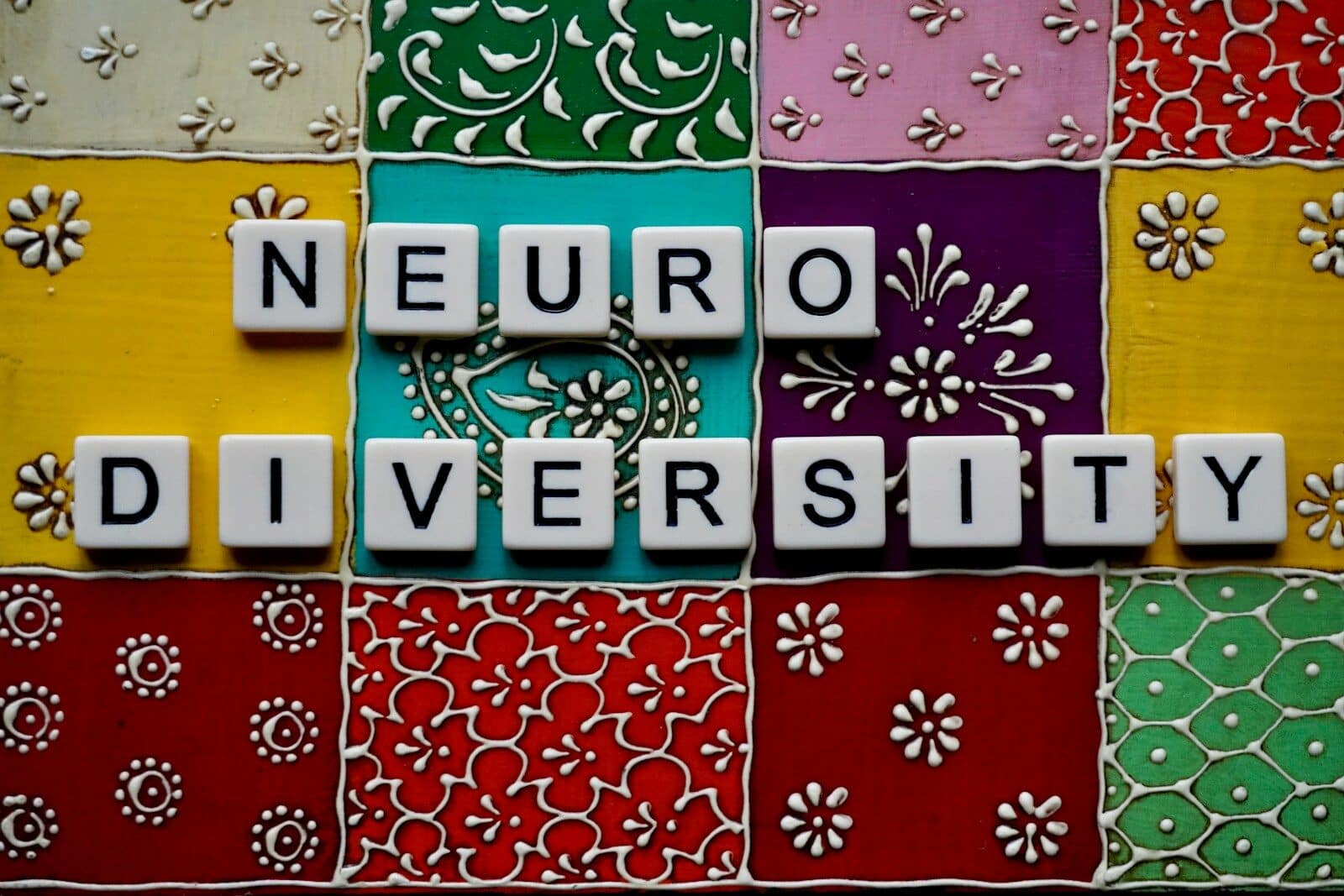
Neurodiversity refers to the natural variation among all human brains and nervous systems. Australian sociologist Judy Singer is generally credited with introducing or popularizing this term through her work in the late 1990s, though the exact history and authorship of the term continue to be discussed. The central idea was to move away from viewing every neurological difference solely through the lens of deficits and pathology. Embracing neurodiversity as a concept means acknowledging that variation in how brains work is a natural part of human experience—not an anomaly to be eliminated.
Neurodivergent describes an individual whose brain function, development, or cognitive patterns differ meaningfully from prevailing societal norms. One person can be neurodivergent, but describing a single person as “neurodiverse” is generally not accurate—diversity, by definition, applies to a group.
Neurotypical is the term commonly used to describe people whose neurological development and functioning more closely align with prevailing social expectations.
Recognizing natural variation does not mean denying disability. A person may simultaneously value the way their mind works, experience meaningful strengths, feel disabled by certain environments, need specific accommodations, and want support with particular difficulties. All of these things can be true at once.
Is neurodivergence a medical diagnosis or an umbrella term?
Neurodivergence is a non-medical umbrella term. It does not tell us what specific diagnosis a person has, whether they have been formally evaluated, how much support they need, or what their strengths are.
Specific conditions such as autism spectrum disorder, attention-deficit/hyperactivity disorder, dyslexia, and developmental coordination disorder, each have formal medical criteria. Neurodivergence is a broader framework that may encompass one or more of these conditions—but the umbrella term itself carries no clinical diagnosis.
It is also worth noting that some of the disorders listed under the neurodivergence umbrella are classified as developmental disorders or neurodevelopmental conditions—not medical disorders in the traditional sense. This distinction matters when working to avoid value-based labels that conflate neurological difference with pathology or moral failing.
What does neurotypical mean?
Neurotypical generally refers to a person whose development, cognitive functioning, and behavioral patterns align more closely with common societal norms. It does not mean mentally healthy at all times, free from emotional challenges, more intelligent, or more capable than someone whose brain functions differently.
Similarly, being neurodivergent does not mean being broken, incapable, or less worthy. The terms describe patterns of brain function relative to social expectations—not measures of a person’s value, potential, or effort.

Which Conditions Are Considered Neurodivergent?
There is no single universally agreed-upon list of conditions considered neurodivergent. Broader and narrower definitions exist, and different researchers, clinicians, and communities draw the boundaries differently. That said, the disorders listed most consistently under the neurodivergence umbrella tend to be neurodevelopmental conditions—conditions that involve differences in how the brain develops during childhood and adolescence, often with effects that extend into adulthood.
The term most commonly includes neurodevelopmental and learning differences such as:
- Autism spectrum disorder (ASD)
- Attention-deficit/hyperactivity disorder (ADHD)
- Dyslexia
- Dyscalculia
- Dysgraphia
- Developmental coordination disorder (DCD)
- Tourette syndrome
- Certain language and learning disorders
Autism spectrum disorder, ADHD, developmental coordination disorder, and dyslexia are among the conditions most frequently discussed in neurodiversity research and workplace literature. Broader definitions may also include additional neurological, psychiatric, or acquired conditions, though this remains an area of ongoing discussion.
When people describe conditions using categories like “high functioning” or “low functioning,” it is worth pausing. These labels are increasingly criticized—including by many neurodivergent voices—because they often fail to capture how variable support needs can be across different environments and situations. A person who appears to function independently in one area may need substantial support in another. Avoiding value-based labels, including “high functioning” and “low functioning,” allows for a more honest and respectful understanding of individual experience.
Neurodivergence is believed to affect a substantial portion of the population, though precise estimates vary considerably depending on which conditions are included and how each is defined.
What is autism spectrum disorder?
Autism spectrum disorder is a neurodevelopmental condition associated with differences in social communication and interaction, as well as restricted or repetitive behavioral patterns, interests, or activities. Repetitive behaviors—sometimes called self-stimulatory behaviors or “stimming”—are a recognized feature of autism that may serve important regulatory functions, helping a person manage sensory input, express emotion, or maintain focus. The Centers for Disease Control and Prevention (CDC) emphasizes that autistic people can have different ways of learning, moving, communicating, and paying attention, and that traits vary considerably from person to person.
Autistic individuals may also experience differences involving:
- Sensory processing
- Movement and motor coordination
- Emotional regulation
- Focused interests
- Nonverbal communication styles and language use
- Recognition and interpretation of social cues
It is important not to reduce autism to social deficits. Differences in communication between autistic and non-autistic people are often relational and bidirectional. An autistic person and a non-autistic person may misunderstand one another because they interpret, prioritize, and express social information differently—not because one approach is correct and the other is not.
Autistic individuals may have support needs that vary significantly by environment and area of life. Some may function independently in many areas while needing substantial support in others. Using language like “support needs that vary by situation” is more accurate and more respectful than value-based labels that attempt to categorize the full complexity of someone’s experience.
What is attention-deficit/hyperactivity disorder (ADHD)?
Attention-deficit/hyperactivity disorder, or ADHD, is a neurodevelopmental condition that begins during the developmental period and frequently continues into adulthood. According to the CDC, approximately 6% of U.S. adults reported a current ADHD diagnosis in 2023, and roughly half of those individuals received the diagnosis at age 18 or older.
ADHD does not simply mean an inability to pay attention. A person with ADHD may struggle to control where attention goes—finding routine tasks nearly impossible to begin while becoming deeply absorbed in something stimulating, novel, urgent, or personally meaningful.
ADHD may affect:
- Attention regulation
- Impulse control
- Working memory
- Time awareness and estimation
- Planning and organization
- Task initiation and completion
- Emotional regulation
- The ability to shift between tasks
These behavioral traits can produce frustrating inconsistencies that are frequently misread as laziness, indifference, or lack of discipline.
What are learning disabilities, and are they considered neurodivergent?
Learning disabilities affect particular forms of information processing without determining a person’s overall intelligence or potential. Dyslexia, for example, may involve differences in reading speed, spelling, or written processing while leaving other cognitive capacities fully intact.
Additional learning differences may involve:
- Written expression
- Mathematics (dyscalculia)
- Processing speed
- Working memory
- Language sequencing
- Fine motor output
These are differences in how the brain processes and organizes information—not evidence of limited effort, capability, or intelligence.
What about sensory and motor differences?
Some people who are neurodivergent experience differences in sensory integration, fine motor skills, gross motor coordination, spatial awareness, handwriting, or awareness of internal physical signals. These differences may be connected to physical development, neurological wiring, environmental factors, or some combination of all three—and they are real regardless of whether they appear in a formal diagnostic category.
Understanding what a neurodivergent condition means in this context also involves recognizing that sensory and motor differences do not fall neatly into two categories. They exist on a continuum, vary across environments, and reflect the broader reality that brains work in genuinely different ways. People who are neurodivergent typically experience a range of behavioral traits and behavioral patterns that go beyond what is captured by any single diagnosis—and sensory or motor differences are often part of that picture.
It is worth noting that sensory processing disorder is not currently a standalone diagnosis in every major diagnostic system and does not have its own formal medical criteria in the way that other disorders listed under the neurodivergence umbrella do. However, sensory processing differences are real and frequently occur alongside autism spectrum disorder, ADHD, developmental disorders, anxiety, and trauma-related experiences. A growing understanding of how the brain functions differently in neurodivergent individuals has helped clinicians better describe conditions involving sensory and motor differences—and to accommodate people more effectively when those differences affect daily life.
How Brain Function May Differ in a Neurodivergent Person
Neurodivergence does not always appear on a brain scan, and there is no single biological test that identifies it. Rather than pointing to one visible brain difference, neurodivergence describes meaningful patterns in how someone experiences, processes, organizes, and responds to information.
Neurodivergent people may process attention, communication, learning, sensory information, and emotions in ways that differ from common expectations—but these differences do not look the same from one person to the next.
How do attention and executive function difficulties affect daily life?
Executive functions are the mental processes involved in managing actions and working toward goals. They include starting tasks, organizing materials, estimating time, prioritizing, switching attention, inhibiting impulses, tracking progress, and completing multi-step projects.
Executive function difficulties can create frustrating inconsistencies. A person may manage a complex professional project with skill while struggling to:
- Respond to a straightforward email
- Schedule a routine appointment
- Begin an ambiguous or open-ended task
- Transition away from something engaging
- Put away household items
- Pay a bill on time
This inconsistency is commonly misunderstood as laziness, poor discipline, or indifference. It rarely is.
What is sensory overload, and how does it happen?
The nervous system constantly processes sensory information—sound, light, touch, smell, taste, movement, temperature, and internal physical signals. A neurodivergent person may be more or less sensitive to particular forms of that input.
Some common sensory experiences include hearing background noise that others tune out, feeling distressed by fluorescent lighting, becoming distracted by clothing textures, needing movement in order to concentrate, missing hunger or fatigue signals, or feeling overwhelmed in crowded spaces.
Sensory overload occurs when the amount or intensity of sensory information exceeds a person’s current capacity to process it comfortably. Signs may include irritability, panic, difficulty speaking, an urge to escape or shut down, tearfulness, physical discomfort, reduced decision-making ability, and significant exhaustion afterward.
How do neurodivergent individuals communicate differently?
Neurodivergent individuals may communicate in ways that differ from common social expectations. They may:
- Prefer direct and explicit language
- Interpret words literally
- Need additional time to process before responding
- Communicate more effectively in writing than verbally
- Find rapid group conversations difficult to follow
- Speak extensively about areas of deep interest
- Rehearse conversations before or after they happen
- Use fewer facial expressions or different patterns of eye contact
- Have difficulty interpreting indirect hints or implied meaning
A person’s communication style should not automatically be interpreted as a lack of empathy, intelligence, interest, or respect. Different communication styles can coexist without one being inherently superior to the other.
How does emotional regulation work differently for neurodivergent adults?
Emotional regulation involves recognizing, understanding, tolerating, and responding to emotions. Some neurodivergent adults experience rapid emotional escalation, strong reactions to criticism or rejection, difficulty identifying what they are feeling, extended recovery time after conflict, emotional shutdown, or physical overwhelm during emotional stress.
Emotion regulation difficulties are frequently reported among adults with ADHD and can meaningfully affect work, relationships, and overall quality of life. Intense emotional reactions do not mean someone is immature, manipulative, or unable to develop self-awareness.
Do neurodivergent people have stronger memory or pattern recognition?
Some neurodivergent individuals demonstrate strengths such as rapid pattern recognition, strong long-term memory for areas of interest, detailed observation, creative problem-solving, system-based thinking, visual reasoning, deep focus, or highly specialized knowledge.
These are not universal traits, and they should not be presented as guaranteed advantages. A person may have exceptional recall in one domain and significant working-memory difficulties in another. Strengths and challenges frequently coexist within the same person.

Common Neurodivergent Traits in Adults
The following experiences may be associated with neurodivergence—but recognizing yourself in this list is not the same as meeting the criteria for a specific diagnosis. Many of these traits also overlap with anxiety, depression, trauma, chronic stress, sleep difficulties, and other conditions. A qualified professional is best positioned to help distinguish between them.
Traits that may be associated with neurodivergence include:
- Frequently feeling out of step with peers or social groups
- Strong preference for routines and predictability
- Significant distress when plans change unexpectedly
- Intense or highly specific interests
- Difficulty estimating or tracking time
- Sensitivity to sound, light, texture, or smell
- Repetitive or self-regulating behaviors
- Difficulty recognizing hunger, fatigue, or pain
- Becoming deeply absorbed in engaging activities
- Needing substantial recovery time after socializing
- Rehearsing or reviewing conversations
- Difficulty reading indirect social cues
- Strong emotional reactions that feel difficult to modulate
- Trouble beginning tasks despite genuinely wanting to complete them
- Feeling more comfortable communicating in writing
- Appearing calm externally while experiencing significant internal stress
Why are neurodivergent traits often missed in high-achieving adults?
Intelligence, structure, fear of failure, and sustained effort can sometimes compensate for areas of significant difficulty. A high-achieving adult may build elaborate systems to function effectively—working longer than colleagues, preparing excessively for meetings, using anxiety as a motivator, maintaining rigid routines, or sacrificing rest to meet expectations that others seem to meet more easily.
From the outside, this person often looks organized, capable, and successful.
Internally, they may feel that one interruption, one unexpected demand, or one mistake could unravel everything. That level of vigilance is exhausting. And when it goes unrecognized, it can persist for decades without adequate support.
Why does the same diagnosis look so different in different people?
Diagnostic labels describe broad patterns, not identical personalities. Two people with the same formal diagnosis may differ substantially in social confidence, verbal communication, sensory needs, emotional regulation, professional functioning, independence, motor skills, and daily living abilities.
This is one of the most important things I discuss with clients. Support should always be based on the individual—not on assumptions derived from a label.
Masking Neurodivergent Traits Can Become Exhausting
Masking—also called camouflaging—refers to changing, hiding, suppressing, or compensating for natural responses to appear more aligned with social expectations. It may involve forcing eye contact, rehearsing facial expressions, copying another person’s body language, suppressing repetitive movements, pretending not to be overwhelmed, memorizing conversational rules, or overpreparing to conceal executive function difficulties.
Masking can be conscious, partly conscious, or so deeply learned over time that the person is barely aware it is happening.
Why do people learn to mask?
Masking often develops in response to real social consequences—bullying, rejection, criticism, professional pressure, family expectations, the desire for belonging, or the absence of environments that accommodate different needs.
People should not be shamed for masking. For many individuals, it was the most functional strategy available in environments that were not designed with their needs in mind.
What is the emotional cost of constantly performing?
Sustained masking requires substantial cognitive and emotional resources. Research on autistic adults has associated masking with exhaustion, anxiety, depression, burnout, diminished self-esteem, and a reduced sense of personal authenticity. The research does not mean every person who masks will experience the same outcomes, but the association is meaningful and deserves careful attention.
Possible consequences of sustained masking may include feeling disconnected from one’s own identity, needing long recovery periods after social contact, chronic anxiety or depression, emotional shutdown, difficulty recognizing personal needs, delayed diagnosis or recognition, and feeling fraudulent despite genuine accomplishment.
Should unmasking be an all-or-nothing goal?
Reducing masking is not always safe or practical in every environment. A more realistic therapeutic direction may involve helping a person recognize when they are masking and why, identify where greater authenticity feels safer, reduce performance that is unnecessary or harmful, communicate needs more selectively, build more restorative environments, and develop relationships in which less performance is required.
Unmasking is not a single destination. It is often a gradual, ongoing process of discovering what is genuinely sustainable.
Neurodivergence and Mental Health Are Related but Different
Neurodivergence is not the same as a mental health condition. Autism spectrum disorder, ADHD, and learning disabilities are generally categorized as neurodevelopmental conditions. Anxiety disorders, depressive disorders, and trauma-related conditions fall into different clinical categories.
A neurodivergent person can absolutely experience mental health challenges—but those challenges are not an automatic or inevitable consequence of being neurodivergent. The interaction between neurological differences, personal history, relationships, unmet support needs, discrimination, expectations, and environment may all contribute to emotional distress.
Why might neurodivergent adults experience emotional distress?
Contributing factors may include chronic misunderstanding, bullying or social exclusion, repeated criticism, pressure to mask, unmet support needs, academic or professional difficulties, relationship conflict, internalized shame, difficulty accessing appropriate care, and the sustained effort of navigating environments that were not designed with their needs in mind.
When do symptoms overlap with other conditions?
Concentration difficulties, exhaustion, social withdrawal, sleep disruption, irritability, and trouble completing tasks can have many possible causes. They may be connected to ADHD, autism, anxiety, depression, trauma, burnout, sleep disorders, medical conditions, medication effects, or chronic stress—often in combination.
The CDC notes that there is no single test for ADHD and that anxiety, depression, sleep disorders, and learning disabilities can produce overlapping symptoms. Autism assessment similarly relies on multiple sources of developmental and behavioral information, not one medical test. This is part of why diagnostic clarity genuinely matters for people who want it.
Neurodivergence Can Include Both Strengths and Disabilities
Conversations about neurodivergence sometimes move toward one of two extremes—either treating every difference as a deficit to be corrected, or framing every challenge as a hidden gift. Neither approach reflects the full complexity of a person’s experience.
A neurodivergent person may value certain aspects of their mind and find that the same mind is genuinely disabling in specific areas. Both are real. Both deserve acknowledgment.
What strengths might neurodivergent individuals have?
Depending on the individual, strengths may include creativity, pattern recognition, honesty, original thinking, persistence, deep concentration, detailed knowledge, strong moral conviction, visual reasoning, innovative problem-solving, loyalty, direct communication, sensitivity to others, and an ability to notice inconsistencies.
These traits are not universal, and they should not be assigned to every neurodivergent person.
Should real challenges be minimized?
No. Real challenges may include sensory distress, executive dysfunction, communication barriers, emotional dysregulation, learning difficulties, motor coordination problems, social exclusion, difficulty maintaining employment, trouble managing daily living tasks, and significant mental and physical exhaustion.
Acknowledging disability is not inherently negative or stigmatizing. Respecting neurodivergence means listening carefully to what individuals say about both their abilities and their support needs—without flattening either into something more convenient for others.
Does human dignity depend on productivity or independence?
A person’s worth is not determined by professional success, independence, intelligence, social fluency, academic achievement, the ability to mask, or economic productivity. This is not simply a reassuring statement—it is a foundational principle that shapes how I approach every client.
Should You Pursue an Autism or ADHD Evaluation?
Recognizing personal traits and receiving a formal diagnosis are meaningfully different processes. An evaluation may be useful for someone who wants diagnostic clarity, access to formal accommodations, documentation for school or work, a clearer treatment plan, help distinguishing overlapping concerns, or a deeper understanding of lifelong patterns.
What is the difference between self-identification and a formal diagnosis?
Some adults begin by recognizing themselves in educational content or the experiences of other neurodivergent people. This kind of exploration can provide useful language, reduce isolation, and prompt someone to consider whether a formal evaluation makes sense.
Online checklists and social media content, however, cannot fully evaluate developmental history, functional impairment, overlapping conditions, or alternative explanations.
A useful distinction to hold:
- “I relate to these experiences.”
- “I may be neurodivergent.”
- “I meet the diagnostic criteria for a specific condition.”
None of these steps invalidates the others. A person does not need to dismiss their experiences because they lack a formal diagnosis. At the same time, generalized online content is not a substitute for clinical evaluation.
Does a diagnosis change who a person has always been?
No—but it can reframe how they understand themselves. Adults may feel relief, grief, anger, validation, or uncertainty after receiving a diagnosis. They may reconsider childhood experiences, past relationships, career decisions, periods of burnout, and coping mechanisms that make more sense in retrospect.
A diagnosis may offer context. It does not define the entirety of a person’s identity.
What Helps Neurodivergent People Thrive?
Meaningful support for neurodivergent individuals often involves adjusting systems, environments, routines, and communication—rather than requiring the individual to continuously override their own neurological needs.
How can a sensory-friendly environment make a difference?
Sensory accommodations are not indulgences. Reducing unnecessary noise, using softer lighting, wearing comfortable clothing, keeping sensory tools available, scheduling recovery time, using headphones or ear protection, and reducing visual clutter can help prevent overload and preserve energy for work, relationships, and daily responsibilities.
What external systems help with executive function difficulties?
External tools reduce the cognitive burden of holding every task, deadline, and instruction internally. Visual schedules, written instructions, timers, automated reminders, checklists, calendar blocking, breaking tasks into smaller steps, and consistent storage locations all serve genuine functional purposes. Using tools is not cheating—it is an effective and appropriate accommodation.
How do adapted communication styles support neurodivergent individuals?
Being direct, providing instructions in writing, avoiding vague expectations, allowing adequate processing time, confirming priorities, explaining changes in advance, and asking how someone prefers to communicate can all reduce unnecessary friction and misunderstanding.
What workplace accommodations might be appropriate?
Potential accommodations include written instructions, flexible scheduling, reduced distractions, noise-canceling equipment, modified lighting, remote or hybrid work, structured feedback, advance notice of changes, and uninterrupted focus time. The Job Accommodation Network recommends an individualized process because the specific accommodations that help one neurodivergent person may not be relevant for another, especially during major life transitions and changes when support needs can shift quickly.

How Therapy Can Support a Neurodivergent Adult
Therapy should not be designed to erase a person’s neurological identity or pressure them to imitate neurotypical behavior. The purpose of therapy is to support emotional well-being, self-understanding, coping strategies, relationships, and daily functioning. Therapy services at Groundbreaker Therapy are structured around these principles. Therapy does not make someone less autistic, eliminate ADHD, or produce a neurotypical person.
Support can focus on the parts of life the individual actually wants to understand or change.
How does therapy help with shame and long-held beliefs about oneself?
Years of being misunderstood can create deep beliefs such as “I am lazy,” “I am too sensitive,” “I should be able to handle this,” or “My needs are unreasonable.” Therapy may help a client examine where those beliefs originated and whether they accurately reflect the person’s actual abilities, effort, and circumstances—rather than internalizing the judgments of environments that were not built for them.
How does therapy help people understand their patterns without reducing them to a label?
A diagnosis or neurodivergent identity can be genuinely illuminating. But I am careful not to let it become the only explanation for every thought, emotion, or relational difficulty. In my work with clients, I aim to explore neurological patterns alongside personal history, trauma, relationships, values, environmental demands, coping strategies, and individual strengths. The goal is a fuller understanding of the person—not a narrower one.
What emotional regulation skills can therapy build?
Therapy may help clients identify emotions earlier, recognize sensory and emotional triggers, understand escalation patterns, communicate before reaching overload, recover more effectively after intense experiences, respond differently to criticism and rejection, and build self-compassion over time.
How does therapy address burnout and capacity?
Burnout may occur when demands repeatedly exceed available emotional, sensory, cognitive, or physical resources. Therapy may help a person examine what drains their energy, which expectations are unsustainable, how masking affects their capacity, whether sufficient recovery time exists, and where additional support or modified expectations might protect their well-being.
How can therapy support neurodivergent adults in their relationships?
Relationships can be a significant source of both connection and confusion for neurodivergent adults. Therapy may support clients in naming sensory needs, explaining communication preferences, asking for directness, setting realistic boundaries, repairing misunderstandings, recognizing emotional overload before it escalates, and building relationships that allow greater authenticity.
How DBT Skills May Support Emotional Regulation in Neurodivergent Adults
Dialectical Behavior Therapy (DBT) is one of the evidence-based approaches I integrate into my clinical work. DBT does not treat neurodivergence as a condition to be removed. Instead, certain DBT principles and skills may help clients address emotional overwhelm, impulsive reactions, interpersonal conflict, and distress in meaningful and practical ways, and additional DBT-focused podcasts and meditations can further support emotional regulation between sessions.
Research on adaptations of DBT for autistic adults and adults with ADHD is developing. Studies suggest potential benefits for emotion regulation, executive functioning, ADHD symptom management, and quality of life. Treatment still requires individualization and adaptation to each person’s communication preferences and sensory needs.
How does mindfulness help neurodivergent individuals?
Mindfulness, as I use it clinically, is not about forcing the person to sit still, clear their mind, or endure sensory discomfort. It may help a client notice sensory discomfort before it escalates, recognize the early signs of emotional activation, identify mental fatigue, observe the urge to mask, and track shifts in attention. That awareness itself creates more room for choice.
What are emotion regulation skills, and why do they matter?
Emotion regulation skills help clients name what they are feeling, understand what makes them more emotionally vulnerable, recognize patterns in their reactions, reduce preventable stress, respond more intentionally in difficult moments, and plan for predictable triggers. For many neurodivergent adults who have been told their emotions are too much, developing these skills also involves rebuilding trust in their own internal experience.
How does distress tolerance apply to neurodivergent experiences?
Distress tolerance skills may help during sensory overload, unexpected changes, conflict, rejection, professional pressure, or difficult transitions—particularly when the situation cannot be changed immediately. These skills are not about enduring harmful environments indefinitely. They are about having a way through a hard moment until more sustainable change becomes possible.
How do interpersonal effectiveness skills support neurodivergent adults?
Interpersonal effectiveness skills may help clients ask for clarification, communicate their needs clearly, request changes in how others interact with them, set boundaries, decline unrealistic demands, maintain self-respect in difficult conversations, and explain their communication preferences without apology.
Why Groundbreaker Therapy Works Well for Neurodivergent Individuals
I work with highly sensitive and intelligent adults
I work with professionals in business, technology, law, healthcare, education, and the arts, as well as university students and emerging adults who are navigating significant life transitions. Many of the people I work with are capable, insightful, and accomplished. They may also be struggling with emotional overwhelm, perfectionism, relationship difficulties, sensory stress, identity questions, or the relentless effort required to meet expectations that were never designed with their mind in mind. You can learn more about my background and therapeutic approach and how I tailor care for highly sensitive, intelligent adults.
I do not see neurodivergence as something to fix
My goal is not to make someone appear more typical. I help clients understand how they process stress, which environments increase difficulty, what their emotional needs actually are, which strategies are genuinely sustainable, where shame has influenced their sense of self, and how to communicate more effectively. We work together toward a life that works with the person’s actual brain—not against it.
I take a personalized, evidence-based approach
Two clients with the same diagnosis may need very different forms of support. I consider personal history, current stressors, sensory needs, emotional patterns, relationships, professional demands, cultural context, individual strengths, and specific treatment goals. I integrate DBT and other evidence-based approaches according to what each needs—not according to a standardized template, and I regularly share mental health and personal growth articles that expand on these themes.
I respect both acceptance and change
Two things can be true: you deserve acceptance as you are, and you may still want support changing parts of your life that cause you pain. A client may value their neurodivergent identity while also wanting practical help with anxiety, depression, burnout, emotional regulation, relationships, or self-criticism, which is the focus of Groundbreaker Therapy’s individualized psychotherapy.
Acceptance does not require giving up on growth. Growth does not require rejecting who you are. This is the dialectical foundation at the heart of how I work.
Secure telehealth across 43 states
I work with eligible clients through secure telehealth across 43 states. Online therapy may be especially well-suited to adults who prefer familiar surroundings, experience stress traveling to appointments, have demanding professional schedules, live outside major metropolitan areas, or find in-person environments overstimulating. I encourage readers to contact Groundbreaker Therapy to confirm availability in their state and determine whether my services are the right fit for their needs.
When to Consider Professional Mental Health Support
Someone does not need a formal diagnosis or a crisis to benefit from therapy. Support may be worth exploring when daily demands feel consistently overwhelming, sensory overload is interfering with functioning, emotional reactions feel difficult to manage, masking has become exhausting, work is consuming all available energy, relationships are affected by misunderstandings, shame or self-criticism feels constant, or ordinary tasks require an unsustainable amount of effort.
Other meaningful prompts may include experiencing anxiety or depression, feeling disconnected from one’s own identity, wanting help understanding lifelong patterns, adjusting to a recent diagnosis, or considering whether to seek a formal evaluation.
If you or someone you know is experiencing an immediate risk of harm, please seek urgent or emergency mental health support right away. For non-emergency situations, curated mental health resource directories and crisis and online support options can help you find appropriate care in your area.

Understanding Your Brain Is the Beginning, Not the End
Neurodivergence is a broad, non-medical term describing meaningful differences in how people think, learn, focus, communicate, regulate emotions, and experience the world. Neurodivergent individuals are not one uniform group. They may experience unique strengths, real disabilities, changing support needs, meaningful accomplishments, significant emotional challenges, and difficulties created by environments that were not designed with them in mind. Often, they experience a combination of all of these things.
Greater self-understanding can move someone away from shame and toward support that actually fits. As I tell many of the clients I work with:
Understanding how your mind works is not about placing yourself into a restrictive category. It is about developing language for your experience, recognizing what you need, and learning how to build a life that supports your emotional well-being rather than constantly working against it.
If you have spent years feeling unusually sensitive, overwhelmed, misunderstood, or exhausted by the effort required to keep up, I invite you to reach out.
At Groundbreaker Therapy, I work with highly sensitive and intelligent adults through secure telehealth across 43 states. Together, we can explore your emotional and cognitive patterns, reduce shame, strengthen regulation skills, and create practical strategies that reflect how you actually experience the world—not how others expect you to.
Contact Groundbreaker Therapy to learn more about availability and whether working together may be the right fit for you.
Frequently Asked Questions About Neurodivergence
What is neurodivergence, and is it the same as having a diagnosis?
Neurodivergence is a non-medical umbrella term describing meaningful differences in how a person thinks, learns, focuses, communicates, processes sensory information, or regulates emotions. It is not itself a medical diagnosis. Specific conditions, such as autism spectrum disorder, ADHD, and dyslexia, have formal diagnostic criteria. Someone may identify as neurodivergent with or without a formal diagnosis.
What conditions are considered neurodivergent?
The term most commonly includes autism spectrum disorder, attention-deficit/hyperactivity disorder (ADHD), dyslexia, dyscalculia, dysgraphia, developmental coordination disorder, and Tourette syndrome. Broader definitions may include additional neurological or learning differences. There is no single universally agreed-upon list.
Can a neurodivergent person also have anxiety or depression?
Yes. Neurodivergence and mental health conditions are distinct but can occur together. Neurodivergent individuals may be at elevated risk for anxiety, depression, and burnout, particularly when they have experienced chronic misunderstanding, social exclusion, sustained masking, or unmet support needs. A qualified clinician can help distinguish between and address these overlapping concerns.
What is masking, and why does it matter?
Masking refers to suppressing, hiding, or compensating for natural neurodivergent responses to appear more aligned with social expectations. It may involve forcing eye contact, rehearsing facial expressions, concealing sensory discomfort, or overpreparing to hide executive function difficulties. Sustained masking can be associated with exhaustion, anxiety, depression, and a reduced sense of personal authenticity.
Should I pursue a formal evaluation for autism or ADHD as an adult?
A formal evaluation may be worth considering if you want diagnostic clarity, access to workplace or academic accommodations, documentation, a clearer treatment plan, or help distinguishing between overlapping conditions. Recognizing personal traits is not the same as receiving a diagnosis. A qualified psychologist or physician can help you determine whether an evaluation is appropriate for your situation.
Can therapy help a neurodivergent adult without trying to change who they are?
Yes. The purpose of therapy is to support emotional well-being, self-understanding, coping strategies, and daily functioning—not to eliminate neurodivergence or produce neurotypical behavior. Therapy may help with anxiety, depression, shame, emotional regulation, relationships, burnout, and practical daily challenges, while respecting and affirming the person’s neurological identity.
How is DBT useful for neurodivergent adults?
Dialectical Behavior Therapy (DBT) offers skills in mindfulness, emotional regulation, distress tolerance, and interpersonal effectiveness. Research suggests potential benefits for autistic adults and adults with ADHD, particularly in the areas of emotion regulation and quality of life. DBT is adapted to each person’s communication style, sensory needs, and specific treatment goals.
What is the difference between neurodiversity and neurodivergence?
Neurodiversity refers to the natural variation among all human brains—it is a concept that applies to humanity as a whole. Neurodivergent describes an individual whose cognitive or neurological patterns differ meaningfully from dominant social expectations. One person can be neurodivergent; a group of people can represent neurodiversity.