

Groundbreaker Therapy does not conduct paid clinical studies, paid research studies, or compensated clinical trials.
If you arrived here looking for a paid research study or received information suggesting that we are recruiting participants for compensation, that information is incorrect.
Dr. Matthew Mandelbaum provides private psychotherapy services only. We are not currently enrolling participants for paid research studies or compensated clinical trials.
Trauma is something many people experience at some point in life. It can follow a traumatic event such as a serious accident, domestic violence, medical emergencies, natural disasters, or other life-threatening situations. Trauma can also develop gradually through repeated exposure to stressful situations, especially during childhood or over an extended period of time.
As a psychologist working with highly sensitive, thoughtful individuals, I often meet clients who are trying to understand why certain emotional or physical reactions continue long after the event itself has passed. They may notice anxiety, strong emotional reactions, difficulty with emotional control, or a sense that their mind and body remain stuck in survival mode.
Ready to Start Therapy?
Your healing journey can begin today. Fill out the form below to connect with a therapist who truly listens and understands.
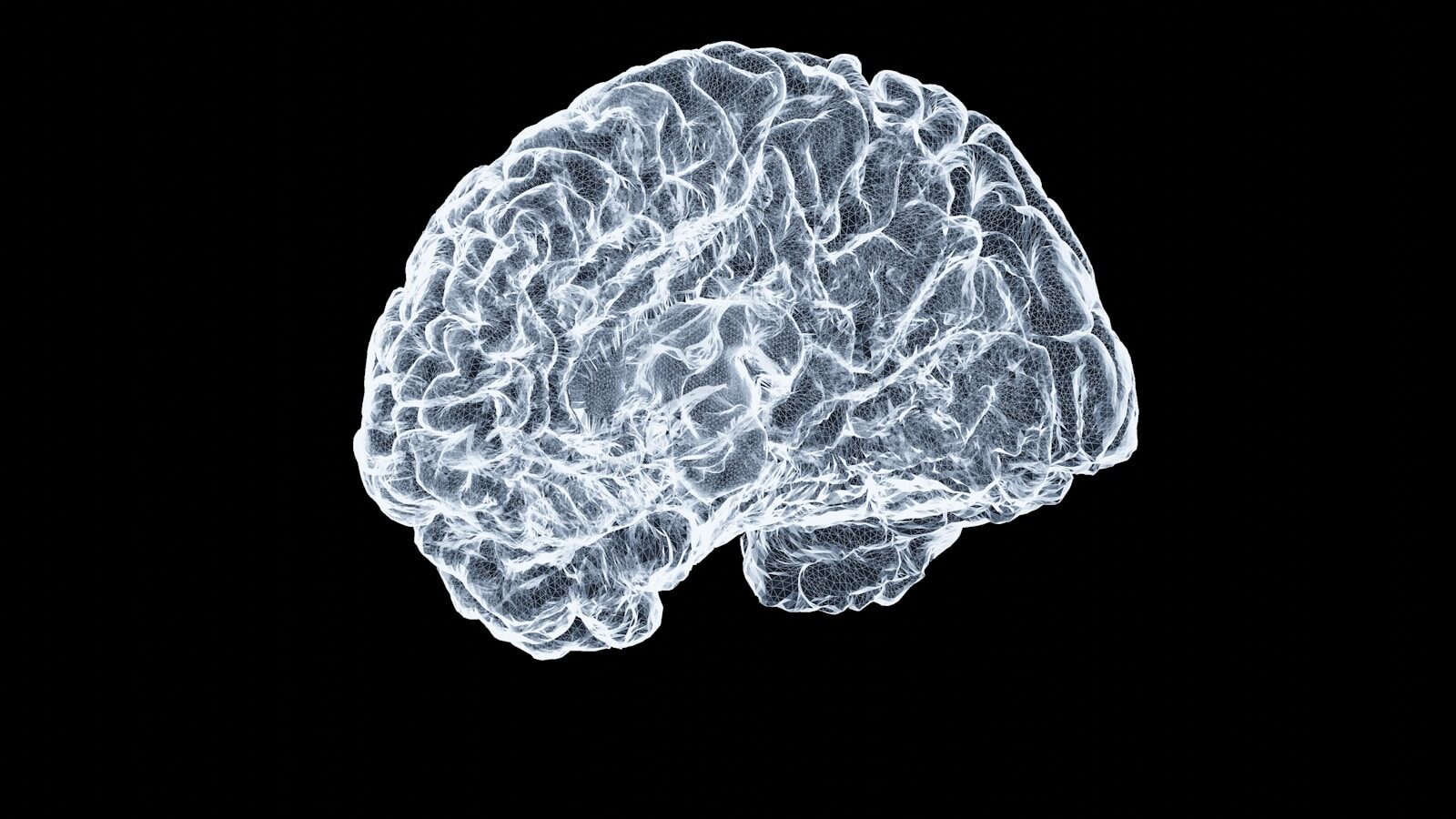
Understanding trauma and the brain can help explain why these reactions occur. When people learn how trauma affects the brain and body, it often becomes easier to approach recovery with patience, insight, and self-compassion.
Trauma and the Brain: How Trauma Affects Brain Function
When someone experiences a traumatic event, the brain’s natural survival instincts activate immediately. The brain interprets the situation as a perceived threat, and multiple parts of the brain begin working together to protect the body.
The brain releases stress hormones that prepare the body to react quickly. Heart rate increases, muscles tighten, and attention narrows so the person can respond to danger.
This response is designed to help someone survive a threatening situation. For many people, once the threat passes, the brain gradually returns to a calmer state.
However, when trauma is intense or prolonged, the brain may continue responding as if danger is still present. This can affect brain function, emotional regulation, and the way traumatic memories are stored and recalled.
Past Trauma and How the Brain Stores Traumatic Memories
Past trauma does not always remain in the past for the brain. Traumatic memories are often stored differently from ordinary memories.
Instead of being processed as a completed experience, trauma memories can remain vivid and emotionally charged. The brain may react as though the event is happening again, especially in situations that resemble the original threat.
This can lead to common reactions such as:
- strong emotional responses
- intrusive trauma memories
- anxiety in everyday life
- physical symptoms connected to stress
For trauma survivors, these reactions are not a failure of willpower. They are the brain’s attempt to protect the person from danger based on previous experiences.
Brain Development and Why Timing of Trauma Matters
Brain development plays an important role in how trauma affects individuals across different stages of life.
The developing brain, particularly during childhood and adolescence, is especially sensitive to environmental experiences. When trauma occurs during these early stages, it can influence emotional regulation, stress responses, and long-term mental health.
Research shows that early trauma can affect how the brain learns to process safety, relationships, and emotional expression. This is why early support and trauma-informed care can be particularly valuable for young people.

Photo by William Farlow on Unsplash
Complex Trauma and Its Impact on Emotional Regulation
Complex trauma refers to repeated or ongoing traumatic experiences, often occurring within relationships or environments where a person should feel safe.
Examples include prolonged exposure to domestic violence, repeated instability, or chronic emotional harm.
Unlike a single traumatic event, complex trauma often develops over time and can influence how individuals experience trust, safety, and emotional expression.
People who have experienced complex trauma may struggle with emotional distress, heightened anxiety, or difficulty maintaining emotional stability in stressful situations.
Childhood Trauma and Adverse Childhood Experiences
Childhood trauma can shape the way individuals understand safety, relationships, and emotional expression.
Researchers often refer to adverse childhood experiences (ACEs) when studying the long-term impact of early trauma. These experiences may include abuse, neglect, family instability, or exposure to violence.
Adverse childhood experiences can affect the developing brain, influencing emotional control, stress responses, and long-term mental health outcomes.
However, it is important to recognize that early trauma does not define a person’s future. With the right support and therapeutic tools, individuals can build resilience and develop healthier emotional patterns over time.
Chronic Trauma, Chronic Stress, and the Body’s Survival Mode
Chronic trauma occurs when someone experiences repeated exposure to stressful or threatening situations over a long period of time.
This ongoing exposure can lead to chronic stress, which keeps the nervous system in a prolonged state of alertness.
When the body remains in survival mode, people may experience symptoms such as:
- ongoing anxiety
- difficulty relaxing or resting
- physical symptoms such as headaches or fatigue
- heightened emotional reactions
The brain and body remain prepared for danger, even when the current environment is safe.
Emotional Dysregulation and the Limbic System
Many trauma survivors experience emotional dysregulation, meaning their emotions may feel difficult to manage or overwhelming.
This response is closely connected to the limbic system, the part of the brain responsible for processing emotions, detecting threats, and triggering survival responses.
When trauma occurs, the limbic system can become highly reactive. This can lead to intense emotional responses during stressful situations or when reminders of trauma appear.
Understanding this biological response helps people recognize that their reactions are not a personal failure, but a natural response to past experiences.
The Prefrontal Cortex and Rebuilding Emotional Control
The prefrontal cortex is the part of the brain responsible for reasoning, planning, and emotional control. It helps individuals pause, reflect, and regulate their responses to stressful situations.
During moments of traumatic stress, this area of the brain may become less active while survival responses take over.
Therapeutic approaches often focus on strengthening the prefrontal cortex’s role in emotional regulation. Through therapy, mindfulness, and structured coping strategies, individuals can gradually regain a sense of control over their emotional responses.

Photo by Dan DeAlmeida on Unsplash
Therapy Options for Trauma Recovery and Mental Health
Recovery from trauma is possible, and therapy can play a powerful role in supporting long-term mental health and emotional stability.
Effective trauma treatment focuses on helping individuals:
- process traumatic experiences safely
- regulate emotions during stressful moments
- develop practical coping strategies
- rebuild confidence and resilience
Several evidence-based therapeutic approaches support trauma recovery.
Trauma-Informed Therapy
Trauma-informed therapy recognizes how past trauma affects behavior, emotions, and relationships. This approach prioritizes safety, trust, and gradual emotional processing.
Dialectical Behavior Therapy (DBT)
Dialectical Behavior Therapy helps individuals manage intense emotions and improve emotional regulation. DBT provides tools for managing stress, improving communication, and building emotional stability.
Eye Movement Desensitization and Reprocessing (EMDR)
Eye Movement Desensitization and Reprocessing helps the brain process traumatic memories in a structured way. Research suggests EMDR can reduce the emotional intensity connected to traumatic memories.
Integrative Psychotherapy
Many individuals benefit from an integrative approach that combines multiple therapeutic techniques. Therapy may include mindfulness practices, emotional processing, and cognitive strategies that support long-term recovery.

Photo by Chang Duong on Unsplash
Choosing the Right Support for Trauma and the Brain
If you have experienced trauma, it can be difficult to know where to begin. Many people search for answers, trying to understand their reactions and wondering whether therapy might help.
Seeking support is a healthy step toward healing. Therapy provides a space to explore past experiences, regulate emotions, and develop tools that strengthen resilience.
In my work with clients across the United States, including professionals, students, and highly sensitive individuals, I focus on providing compassionate, evidence-based care that respects each person’s unique experiences.
The brain has an extraordinary capacity to adapt and heal. With the right support, individuals can move beyond survival mode, rebuild emotional balance, and create a life grounded in clarity, resilience, and well-being.
Helpful Links for Psychotherapy
- National Institute of Mental Health (NIMH): The NIMH provides a wealth of information on mental health conditions, treatment options, and ongoing research. It’s a reliable resource for understanding the science behind psychotherapy. Visit NIMH
- American Psychological Association (APA): The APA offers resources for both professionals and the public, including articles on mental health topics, therapy techniques, and self-help strategies. Visit APA
- Mental Health America (MHA): MHA focuses on mental health education, advocacy, and support. Their website includes tools like mental health screenings and guides for finding help. Visit MHA
- Substance Abuse and Mental Health Services Administration (SAMHSA): SAMHSA provides resources for individuals and families dealing with mental health and substance use disorders, including a treatment locator tool. Visit SAMHSA
- National Alliance on Mental Illness (NAMI): NAMI offers support, education, and advocacy for individuals and families affected by mental illness. Their website includes helpful guides and community resources. Visit NAMI
- Mind (UK-based): For readers in the UK, Mind is a leading mental health charity offering advice, support, and information on mental health conditions and treatments. Visit Mind