

Groundbreaker Therapy does not conduct paid clinical studies, paid research studies, or compensated clinical trials.
If you arrived here looking for a paid research study or received information suggesting that we are recruiting participants for compensation, that information is incorrect.
Dr. Matthew Mandelbaum provides private psychotherapy services only. We are not currently enrolling participants for paid research studies or compensated clinical trials.
Mental health quotes are everywhere.
They show up on social media, in self-care posts, on World Mental Health Day, during Mental Health Awareness Month, and in conversations about resilience, healing, and personal growth. Some are genuinely helpful. Others can feel hollow, especially when you are dealing with real mental health struggles.
Ready to Start Therapy?
Your healing journey can begin today. Fill out the form below to connect with a therapist who truly listens and understands.
If you are overwhelmed, anxious, emotionally exhausted, or silently struggling, a pretty sentence is not going to fix everything. And it should not pretend to.
But the right words, at the right time, can help you pause.
They can help you take a deep breath.
They can help you name something you have been carrying.
They can remind you that your mental health journey is not a personal failure, not a weakness, and not something you have to hide.
As a licensed psychologist, I work with thoughtful, highly sensitive, intelligent individuals who often appear capable and composed on the outside while feeling stuck internally. Many of my clients are professionals in business, tech, law, healthcare, education, and the arts. Others are emerging adults and university students trying to understand themselves, their emotions, and their direction in life.
In my work, I do not use mental health quotes as substitutes for therapy. I use them as invitations.
An invitation to reflect.
An invitation to slow down.
An invitation to consider a different relationship with your thoughts, your body, your past, and your present circumstances.
Below are mental health quotes that offer real encouragement, not empty advice. Each one is included because it points toward something meaningful about awareness, self-acceptance, resilience, support, and healing.
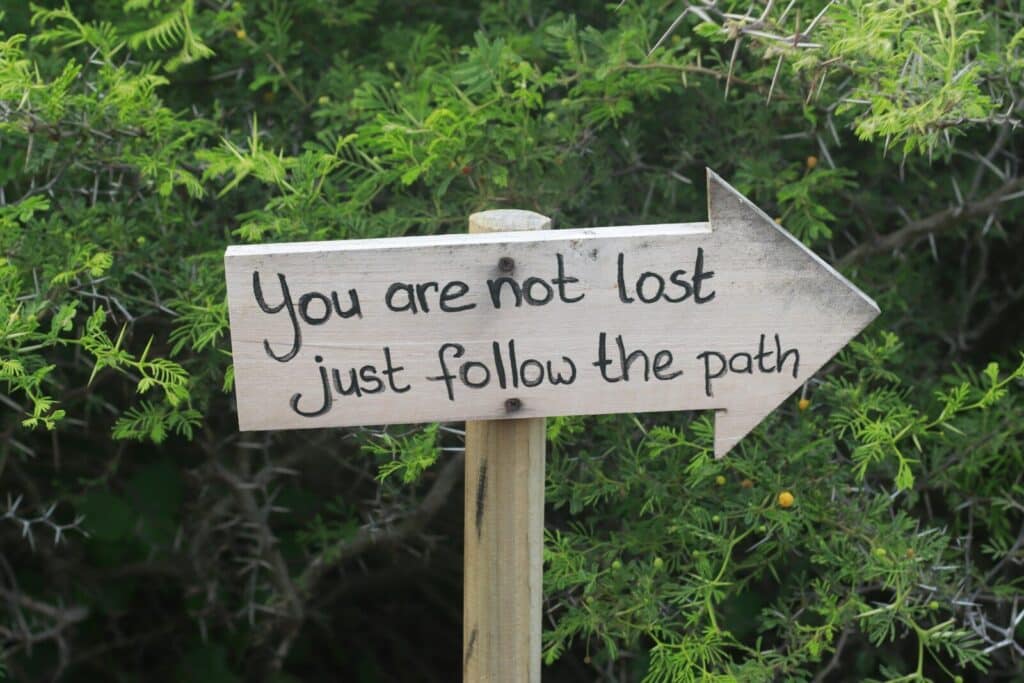
Photo by karina trinidad on Unsplash
Why Mental Health Quotes Can Be Helpful
Good mental health is not about feeling calm, confident, or happy all the time.
Mental health includes emotional well-being, psychological well-being, social well-being, physical health, self-awareness, connection, resilience, and the ability to respond to daily life with more clarity and intention.
The World Health Organization explains that mental health is more than the absence of mental disorders and is an integral part of overall health. In its words:
“There is no health without mental health.”
— World Health Organization
That matters because mental health is not separate from the rest of your life.
It affects how you think, how you feel, how you relate to others, how you handle stress, how you work, how you rest, and how you make meaning out of what has happened to you.
A thoughtful quote cannot treat mental health conditions. It cannot replace therapy, support groups, medication, crisis care, breathing skills, or professional treatment when those are needed.
But a meaningful quote can interrupt a harsh thought pattern.
It can help you notice when your brain is telling you something absolute or untrue.
It can remind you to offer yourself the same kindness you would offer someone else.
It can raise awareness of what you are feeling before the emotional storm takes over.
That kind of reflection is not shallow. It is often where change begins.
Mental Health Awareness Quotes That Move Beyond Stigma
One of the most important parts of mental health awareness is having more honest conversations.
Not performative conversation.
Not vague slogans.
Real conversation.
The kind that says mental health problems are not moral failures. Mental illness is not a character flaw. Mental health conditions are real, and people deserve care without shame.
Actress and mental health advocate Glenn Close has said:
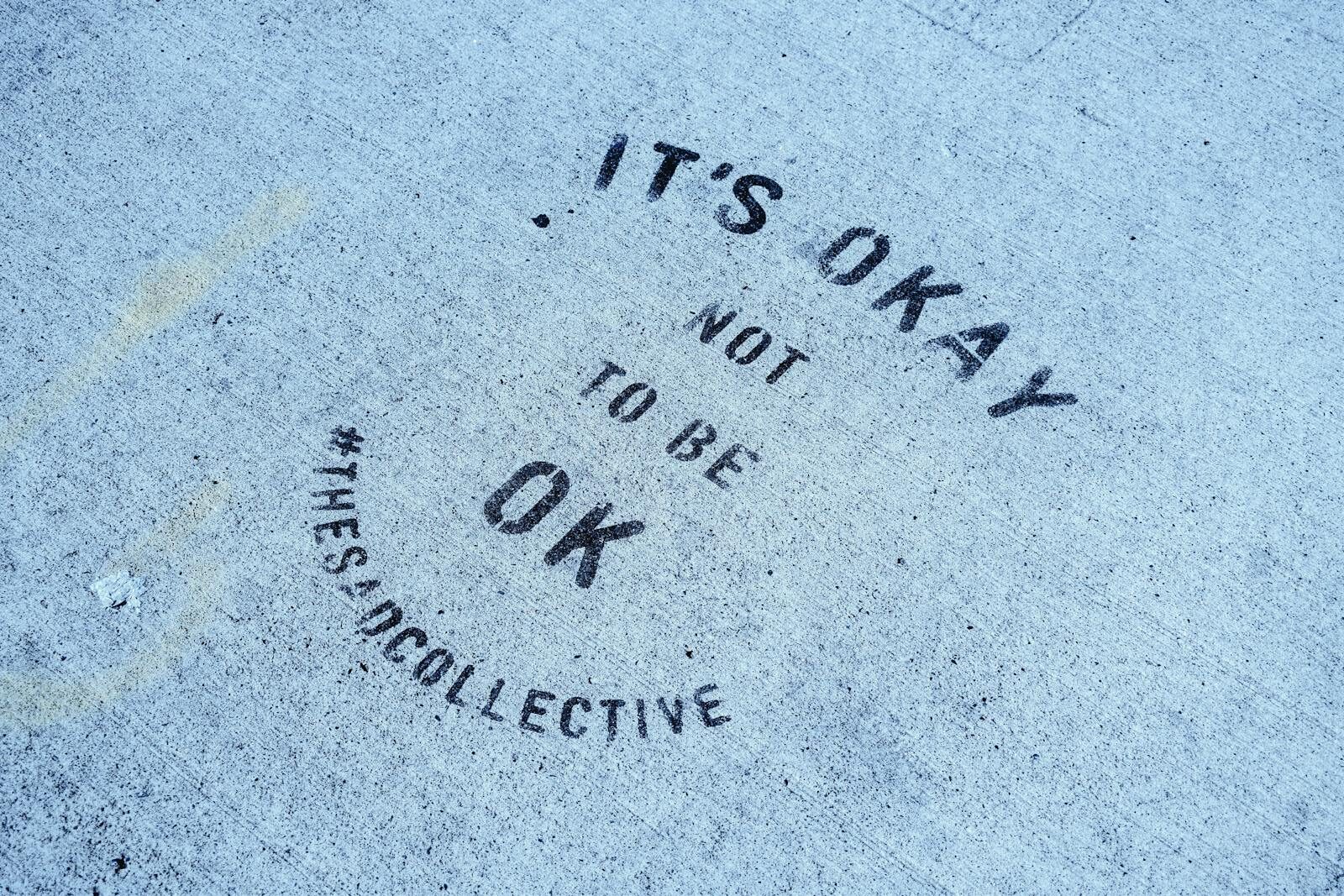
“What mental health needs is more sunlight, more candor, and more unashamed conversation.”
— Glenn Close
I return to that idea often because shame thrives in silence.
Mental health awareness is not only about public campaigns. It is about everyday honesty.
It is the moment someone says they are not okay.
It is the moment someone admits they need help.
It is the moment a person stops pretending that success protects them from pain.
Of course, candor does not mean telling everyone everything. Boundaries matter. Privacy matters. You are allowed to choose who gets access to your inner life.
But silence often protects shame. More unashamed conversation can make it easier for people to seek support before they reach their darkest moments.
Many people come to therapy believing their symptoms are evidence that something is wrong with them. But anxiety, depression, trauma responses, emotional reactivity, avoidance, perfectionism, or burnout are often signals.
They are not always logical, but they are meaningful.
Sometimes the nervous system is trying to protect you using old strategies that no longer fit your present circumstances.
Therapy helps us listen differently.

Photo by julien Tromeur on Unsplash
Mental Health Is Health, Even When Symptoms Are Invisible
If you had an ear infection, you probably would not call yourself weak.
If you had a broken leg, you probably would not shame yourself for needing support.
Yet many people judge themselves harshly for anxiety, depression, bipolar disorder, trauma, addiction problems, or other mental health issues.
The American Psychiatric Association explains that mental illnesses are health conditions involving changes in emotion, thinking, behavior, or a combination of these. They can also be associated with distress and problems functioning in social, work, or family life.
That is important.
A medical condition deserves care. So does emotional pain.
This does not mean every struggle requires the same treatment. It means your suffering deserves to be taken seriously.
Mental health is health, even when no one else can see the symptoms.
Inspiring Mental Health Quotes for Stress and Overwhelm
Inspiring mental health quotes should not pressure people to feel inspired.
When someone is overwhelmed, encouragement has to be grounded. It has to respect the weight of what a person is carrying.
This is why I often remind clients that they do not have to solve their entire life in one day.
Many intelligent, capable people try to manage emotional pain the same way they manage professional responsibility. They analyze it, organize it, pressure it, and try to solve it immediately.
But healing rarely works that way.
Some days, the task is not to fix your entire universe.
The task is smaller.
Drink water.
Take a deep breath.
Send the email.
Make the appointment.
Rest.
Tell the truth.
Begin again.
Anxiety often pulls the future into the present. You may not only be dealing with what is happening today. You may also be carrying tomorrow’s uncertainty, next month’s fear, and ten possible versions of what could go wrong.
This is where conscious breathing and slow breathing can help. Not because breathing fixes every problem, but because the body often needs a signal of safety before the mind can think clearly.
Sometimes a deep breath gives the nervous system just enough room to pause.
Mental Health Quotes for Self-Awareness
Self-awareness is not self-attack.
That difference is essential.
Many people believe they are being self-aware when they are actually being cruel to themselves. They replay mistakes, dissect flaws, and call it growth.
But true self-awareness requires honesty and compassion.
Psychologist Carl Rogers captured this beautifully when he wrote:
“The curious paradox is that when I accept myself just as I am, then I can change.”
— Carl Rogers
That quote matters because real growth does not come from constant self-punishment.
Personal growth often involves accountability. It may mean recognizing patterns that hurt you or others. It may mean seeing where fear, avoidance, defensiveness, or emotional intensity shaped your choices.
But accountability does not require self-hatred.
You are allowed to want to do something differently without turning yourself into the villain.
You are allowed to own your imperfections without becoming trapped inside them.
You can have painful thoughts and still be kind.
You can feel envy and still be generous.
You can feel fear and still be brave.
You can feel anger and still care deeply.
A negative thought pattern is something to understand, not a life sentence.
Health Quotes That Connect Mental and Physical Well-Being
Mental health and physical health are deeply connected.
Stress can show up in the body. Trauma can affect sleep, digestion, tension, energy, and concentration. Anxiety can create real physical sensations. Depression can affect appetite, movement, motivation, and pain sensitivity.
Good mental health does not mean ignoring the body. It means learning to include the body in the conversation.
Psychiatrist Bessel van der Kolk’s well-known book, The Body Keeps the Score, focuses on the connection between trauma, the brain, the body, and healing. His work helped bring more public attention to the way distress can live not only in thoughts, but also in physical experience.
Many people notice distress physically before they understand it emotionally.
A tight chest.
A clenched jaw.
A racing heart.
A stomach that drops.
A sense of heaviness.
A body that freezes, shuts down, or stays on alert.
These sensations are not random. They may be part of how your system has learned to survive.
Therapy can help you become more curious and less afraid of what your body is communicating.
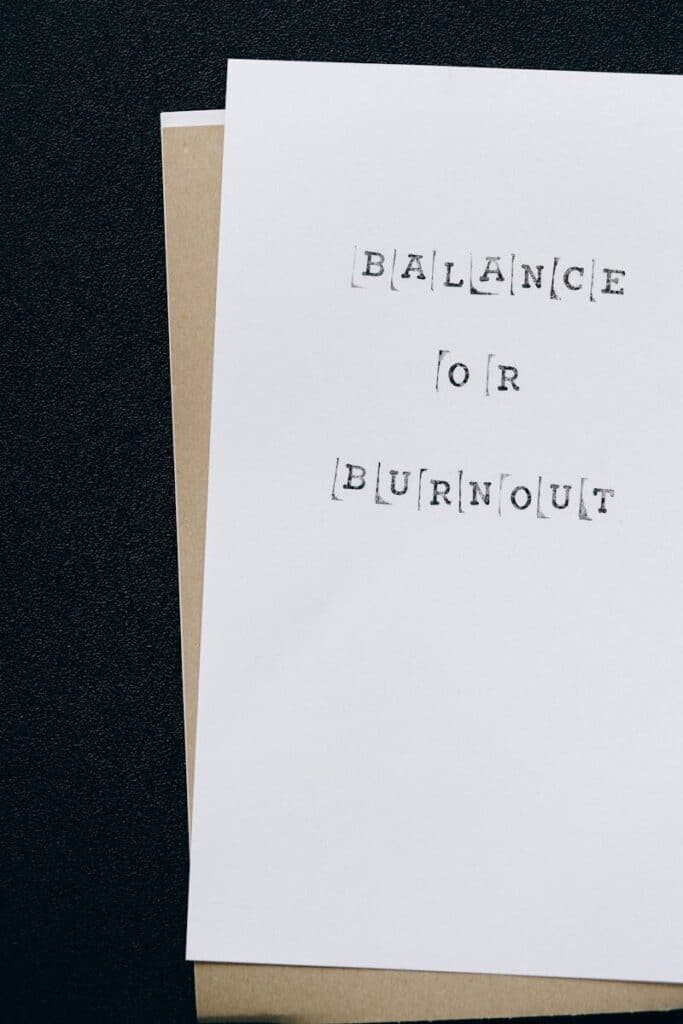
Photo by Nataliya Vaitkevich on Pexels
Rest Is Part of Repair
Rest can be difficult for high-achieving professionals and students.
If your worth has become attached to productivity, rest may feel suspicious. You may feel guilty when you slow down. You may treat self-care as something you earn only after everything else is finished.
Audre Lorde’s words are often cited in conversations about self-care:
“Caring for myself is not self-indulgence, it is self-preservation.”
— Audre Lorde
That quote is powerful because it refuses to treat care as weakness.
The nervous system does not run well under constant pressure.
Rest supports mental wellness, emotional regulation, and physical health. It is not laziness. It is maintenance.
A fulfilling life is not built by abandoning your needs.
Many people learned to be impressive before they learned to be emotionally honest. They became reliable, accomplished, helpful, efficient, agreeable, or exceptional. And in many ways, those qualities served them.
But success that requires chronic self-abandonment becomes costly.
A fulfilling life requires more than achievement. It requires alignment.
It requires asking what kind of life actually fits you.
Mental Health Struggles and the Myth of Personal Failure
One of the most harmful myths about mental health struggles is that people should be able to think their way out of them.
This idea is especially painful for intelligent people.
If you are used to solving complex problems, leading teams, handling pressure, or performing at a high level, it can feel confusing when you cannot simply reason yourself into feeling better.
But mental health does not work like a math problem.
Your nervous system, brain chemistry, past experiences, relationships, attachment patterns, habits, and present stressors all matter.
You may understand where a pattern comes from and still repeat it under stress.
You may know someone is safe and still feel guarded.
You may know you need rest and still feel guilty taking it.
That does not mean therapy is failing.
It means the work has to move beyond explanation and into practice.
Skills matter.
Repetition matters.
Emotional experience matters.
Support matters.
This is where evidence-based approaches like Cognitive Behavioral Therapy and Dialectical Behavior Therapy can be especially helpful. DBT, for example, focuses on helping people manage intense emotions, cope with difficult situations, and improve relationships through practical skills.
Insight matters, but insight alone is not always enough.
Healing often asks us to practice new responses until the body and mind begin to trust them.
Quotes About Mental Health Conditions and Seeking Support
Mental health conditions can affect anyone.
Professionals. Students. Parents. Artists. Executives. Caregivers. People who seem steady. People who are loved. Successful people. People who look like they are doing fine.
This is why seeking support matters.
Needing help does not make your life less successful. It makes your healing more supported.
Many people delay therapy because they believe they should be able to handle things alone.
But support is not a sign of failure.
Support can help you understand emotional barriers, build resilience, and develop tools that make daily life more manageable.
Sometimes therapy helps people heal from past difficulties.
Sometimes it helps them make a hard decision.
Sometimes it helps them regulate emotions, improve relationships, or stop repeating patterns that no longer serve them.
Sometimes it gives them a place where they do not have to perform competence for an hour.
That alone can be profoundly meaningful.
Taking medication, going to therapy, joining a support group, asking for help, or exploring treatment options are not admissions of defeat.
For some people, therapy is enough.
For others, medication is part of appropriate care.
For others, a support group, psychiatric consultation, lifestyle change, crisis support, or a combination of treatment options may be needed.
There is no shame in that.
We do not measure a person’s worth by whether they need treatment. We look at what helps them live more safely, clearly, and fully.
Mental Health Journey Quotes for Growth and Resilience
A mental health journey is rarely linear.
There may be progress, setbacks, clarity, confusion, courage, avoidance, breakthroughs, and quiet changes no one else sees.
Maya Angelou once wrote:
“You may not control all the events that happen to you, but you can decide not to be reduced by them.”
— Maya Angelou
That quote does not deny pain.
It does not pretend that people can control everything that happens to them.
Instead, it points toward agency. Not the kind of agency that blames people for their pain, but the kind that reminds us that our lives can become more than what happened to us.
Healing is not becoming untouched by life.
Healing is becoming more able to meet life honestly.
A good life still includes grief, conflict, uncertainty, disappointment, and change.
Healing means you have more ways to respond.
More language.
More perspective.
More choice.
More ability to return to yourself after difficult moments.
Do not lose courage because progress is quiet.
Some of the most important progress does not look dramatic.
You pause before reacting.
You name what you feel.
You set one boundary.
You tell the truth a little sooner.
You recover from a spiral more quickly.
You notice the old pattern before it takes over.
These moments matter.
They may not look massive from the outside, but they can become meaningful turning points in your individual story.
Viktor Frankl and the Freedom to Choose Your Response
Viktor Frankl, psychiatrist, Holocaust survivor, and author of Man’s Search for Meaning, wrote about the human capacity to choose one’s response even in painful circumstances.
One of his most quoted ideas is:
“The last of the human freedoms” is “to choose one’s attitude.”
— Viktor E. Frankl
That quote should be held carefully.
It does not mean people choose their trauma.
It does not mean people should be blamed for symptoms, grief, fear, depression, or pain.
It means that even when life gives us circumstances we would never have chosen, part of healing may involve discovering where choice still exists.
Sometimes that choice is small.
Choosing to ask for help.
Choosing to pause before reacting.
Choosing to tell the truth.
Choosing to rest.
Choosing to begin again.
Choosing to believe that the story is not over.
In therapy, these choices matter because they help restore a sense of agency. They remind us that while we may not control everything, we can still participate in our healing.
Martin Luther King Jr. and the Courage to Keep Going
One of the most powerful lines from Martin Luther King Jr. is:
“When it is dark enough you can see the stars.”
— Martin Luther King Jr.
I think about that line often in relation to resilience.
Not because darkness is easy.
Not because pain should be romanticized.
But because difficult seasons can reveal what ordinary life sometimes obscures.
They can reveal who shows up.
They can reveal what matters.
They can reveal the strength you did not know you had.
They can reveal the parts of you that are ready to change.
Mental health quotes should never minimize suffering. But the best mental health quotes can help people hold onto possibility without denying reality.
There is a difference between false positivity and grounded hope.
False positivity says everything is fine.
Grounded hope says this is hard, and you are still here.
That difference matters.
What Too Much Therapy Advice Gets Wrong
There is a lot of casual therapy language online now.
Some of it is useful. Some of it raises awareness. Some of it gives people words for experiences they could not name before.
But too much therapy content can also become confusing.
It can turn every discomfort into a diagnosis.
It can label every difficult person as toxic.
It can make normal conflict feel dangerous.
It can encourage people to analyze everything without actually changing how they live.
Therapy is not meant to trap you in endless self-analysis.
At its best, therapy helps you understand yourself so you can participate more fully in your own life.
Reflection matters.
History matters.
Patterns matter.
But so does action.
So does practice.
So does learning how to make choices that align with your values.
So does building relationships, careers, routines, and inner habits that support your mental well-being.
A mental health quote may open the door.
But healing asks you to walk through it.

Photo by Logan Voss on Unsplash
A Gentle Reminder Before You Go
I hope you leave with permission to be human.
You are allowed to struggle.
You are allowed to need support.
You are allowed to be intelligent and overwhelmed.
You are allowed to be successful and still feel lost.
You are allowed to have a life filled with accomplishments and still want something deeper, steadier, and more meaningful.
Mental health is not about pretending everything is fine.
It is about learning how to meet yourself honestly, compassionately, and skillfully.
And if you are ready to understand yourself more clearly, regulate emotions more effectively, and create a life that feels more aligned with who you are, therapy can help.
At Groundbreaker Therapy, I work with thoughtful, high-achieving individuals who want more than surface-level advice. My approach integrates evidence-based therapy, including Dialectical Behavior Therapy, Cognitive Behavioral Therapy, trauma-informed care, and personalized support for emotional resilience, self-awareness, and meaningful personal growth.
You do not have to carry everything alone.
You can begin with one honest breath.
Then one honest conversation.
Then the next step.