


Groundbreaker Therapy does not conduct paid clinical studies, paid research studies, or compensated clinical trials.
If you arrived here looking for a paid research study or received information suggesting that we are recruiting participants for compensation, that information is incorrect.
Dr. Matthew Mandelbaum provides private psychotherapy services only. We are not currently enrolling participants for paid research studies or compensated clinical trials.
When people search for tips for remote work, they are often looking for practical ways to stay focused, manage time, create a dedicated workspace, and get through daily tasks with fewer distractions.
Those things matter.
Ready to Start Therapy?
Your healing journey can begin today. Fill out the form below to connect with a therapist who truly listens and understands.
But as a psychologist, I also think remote work asks something deeper of us. It asks us to create structure where structure may not naturally exist. It asks us to separate work life from home life, even when both are happening in the same house, apartment, spare bedroom, kitchen table, or coffee shop.
For many professionals and students, working remotely can offer flexibility, comfort, and freedom. It can reduce commute stress, give people more control over their environment, and make it easier to manage personal responsibilities.
It can also blur nearly every boundary.
Work time can bleed into personal time. A lunch break can disappear. The work day can stretch into the evening. Phone calls, emails, messages, video calls, and check-ins can make it feel like you are always available. Even when you close the laptop, your mind may stay in work mode.
I work with highly sensitive, intelligent individuals across many fields, including business, tech, law, healthcare, education, and the arts. Many of them are capable and ambitious. They want to do meaningful work. They also want a life that does not feel consumed by work.
That balance does not happen automatically. It has to be built with intention.
Remote Work Can Be Flexible and Emotionally Complicated
Remote work is often described as convenient, but convenience does not always equal ease. Working from home can remove certain stressors while creating new ones.
For some people, remote work environments feel calmer and more manageable. They can control noise, lighting, interruptions, and pace. They may have natural light, a familiar desk, two monitors, a comfortable chair, and better access to food, rest, or fresh air throughout the day.
For others, remote work can feel isolating, disorienting, or emotionally draining.
There may be less separation between professional identity and personal life. There may be fewer casual moments with coworkers. There may be more pressure to prove productivity because no one can physically see the work happening. There may be guilt around taking breaks, stepping away, or ending the day on time.
Remote work can also magnify existing patterns.
If you tend to overwork, remote work may give you more opportunities to keep working. If you struggle with boundaries, remote work may make it harder to say, “I am done for today.” If you feel anxious about disappointing others, you may respond to every message immediately, even during personal time.
The issue is not only where you work. It is how you relate to work.
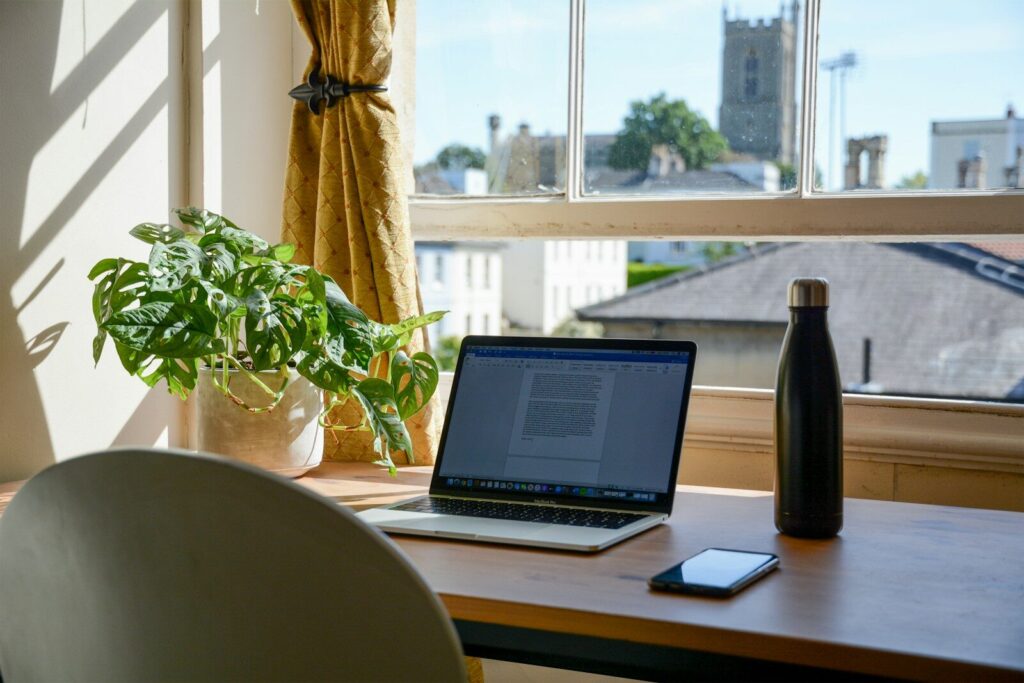
Photo by Mikey Harris on Unsplash
Remote Employees Need Clearer Boundaries, Not Just Better Tools
Remote employees often rely on tools to stay on the same page with the entire team. Video calls, chat platforms, shared documents, project management systems, and check-ins can all help remote workers communicate effectively and build trust.
But tools alone do not create healthy boundaries.
A person can have excellent software and still feel overwhelmed. A company can encourage flexibility and still reward constant availability. A team can overcommunicate and still miss the personal level of connection that helps people feel seen.
For remote employees, boundaries need to be explicit.
What are your work hours?
When are you available for phone calls?
When do you respond to messages?
What counts as urgent?
When does the workday end?
How do you protect personal time?
How do you communicate when you need focus time?
These questions are extremely important because remote work can create ambiguity. In an office, there are often natural signals that the day is starting or ending. At home, those cues may disappear.
Without clear boundaries, the mind may never fully shift out of work mode.
Remote Work Tips for People Who Struggle to Turn Work Off
Some of the most helpful remote work tips are simple, but not always easy.
Start by creating a beginning and ending ritual for your workday. You might start early with a morning routine that includes coffee, movement, journaling, a short walk, or reviewing key things for the day. At the end of the day, you might write down what is complete, what can wait until the following day, and what your brain no longer needs to carry tonight.
This matters because your mind needs transition cues.
When you worked in an office, the commute may have created separation. You left one environment and entered another. Remote work removes that transition, so you may need to create one intentionally.
Other helpful remote work tips include:
Set work hours and honor them as much as possible.
Create a dedicated work space, even if it is small.
Take breaks before you are completely depleted.
Step outside for fresh air.
Schedule a real lunch break.
Use check-ins to stay connected with colleagues.
Keep your phone away during deep focus time when possible.
Close out of work apps when the day is done.
Avoid doing work tasks from bed if you can.
These are not just productivity strategies. They are emotional health strategies.
They help your brain understand when it is time to focus, when it is time to rest, and when it is safe to stop.
Tips for Remote Work: A Dedicated Space Helps Your Brain Shift Into Work Mode
A dedicated space can make remote work feel more contained. Not everyone has a spare bedroom, private office, or separate workspace. Some people are working from a kitchen table, shared room, small apartment, or corner of the house.
That is okay.
The goal is not to create a perfect office. The goal is to create a consistent cue.
A dedicated work space tells your brain, “This is where work happens.” Even a specific chair, desk, section of a table, or portable setup can help. If you can add natural light, a supportive chair, a clean surface, reliable Wi Fi, and the basic tools you need, the space may become easier to settle into.
This is especially helpful for people who struggle to stay focused or feel mentally scattered while working remotely.
When work happens everywhere, work can begin to feel like it belongs everywhere. That can make it harder to rest in your own home.
A dedicated space helps create a boundary, even a small one.

Tips for Remote Work: A Dedicated Workspace Does Not Have to Be Perfect
A dedicated workspace does not need to look like a social media office setup. It does not need expensive furniture, matching supplies, or two monitors to be effective.
What matters most is that it supports your focus and well-being.
For some people, a dedicated workspace may be a desk in a spare bedroom. For others, it may be a small table near a window. For others, it may be a basket with work materials that gets put away at the end of the day.
The act of putting work away can be powerful.
It tells your mind, “This part of the day is complete.”
Remote work can make people feel like they should always be doing more. If your laptop is always visible, your notes are always open, or your work tasks are always within reach, it can be difficult to fully enter your personal life.
Your workspace should help you work. It should not silently ask you to be available all the time.
Tips for Remote Work: Mental Health Matters When Working Remotely
Mental health is central to any conversation about remote work. A remote job can offer flexibility, but it can also create isolation, anxiety, low motivation, overwork, loneliness, and blurred identity.
Some people enjoy the quiet of working remotely. Others begin to feel disconnected from colleagues, friends, and the larger world. Without casual conversations, shared lunches, hallway moments, or in-person collaboration, the work day can become transactional.
You complete tasks.
You answer messages.
You attend video calls.
You check things off the list.
Then you do it again the next day.
Over time, this can affect job satisfaction and emotional well-being.
Remote work may also reduce natural movement. When everything happens at home, it is easy to move less, snack unconsciously, skip regular breaks, or go through the entire day without fresh air. Your body may begin to carry the stress your schedule is ignoring.
This is why it helps to think of remote work as a whole-person issue. Your productivity, emotions, relationships, body, and personal life are all connected.
Tips for Remote Work: Co-Working Spaces Can Help Some People Stay Connected
Co-working spaces can be useful for remote workers who need more structure, separation, or social energy. A co-working space can provide a work space outside the house, reliable Wi Fi, a desk, a sense of routine, and the presence of other people who are also working.
For some people, this makes a significant difference.
Being around other remote workers can reduce isolation. It can create a light sense of accountability. It can help the brain enter work mode more easily. It can also make a home feel more like home again.
A coffee shop may offer a similar benefit for a little while, especially for people who do not need complete quiet. Even one or two days a week outside the house can help create variety and restore a sense of movement.
Still, co-working spaces are not the answer for everyone. Some people focus better at home. Some find shared work environments distracting. Some need privacy for phone calls or video calls. Some may not have the budget or access.
The point is not that everyone needs a co-working space. The point is that remote work does not have to mean staying alone in the same room every day.
Tips for Remote Work: A Remote Job Still Needs Human Connection
A remote job can sometimes create the illusion that work is only about tasks. But people are not machines. We need connection, recognition, communication, and a sense that we matter beyond what we produce.
This is true for remote employees, students, freelancers, leaders, and business owners.
When working remotely, it can help to be intentional about connection. Schedule check-ins with colleagues. Make space for short conversations that are not only about deadlines. Ask questions. Share context. Notice when someone seems withdrawn. Let people know when their work made a difference.
If you are in a leadership role, remember that remote workers may need more clarity and connection than you assume. Silence can easily be misinterpreted. A lack of feedback can lead to anxiety. Unclear priorities can create wasted time and unnecessary stress.
Strong communication helps people stay connected and on the same page. It also helps build trust.
Remote work functions best when people do not have to guess where they stand.
Tips for Remote Work: Other Remote Workers Can Remind You That You Are Not Alone
Connecting with other remote workers can be validating. Many people assume they are the only ones struggling with motivation, loneliness, blurred boundaries, or difficulty turning work off.
They are not.
Other remote workers may be navigating the same challenges: working from a kitchen table, managing interruptions from a family member, taking video calls in shared spaces, trying to stay focused, or feeling guilty for needing rest.
Even simple conversations can help.
“What helps you end your day?”
“How do you take breaks without feeling guilty?”
“Do you ever feel isolated working remotely?”
“What routines actually work for you?”
These conversations can normalize the emotional side of remote work. They can also help you gather realistic strategies that fit real life, not an idealized version of productivity.
Community matters, even when work is remote.
Tips for Remote Work: Your Personal Life Needs Protection
Your personal life does not automatically protect itself. This is especially true when work happens inside your home.
If you do not create boundaries around personal time, work can quietly expand into every open space. You may answer emails during dinner. You may check messages before bed. You may think about tasks during conversations with loved ones. You may feel physically present but mentally unavailable.
This can affect relationships, rest, and your sense of self.
A meaningful life needs more than work. It needs connection, play, movement, quiet, creativity, friendship, reflection, and time that does not have to be justified by productivity.
For high-achieving people, protecting personal life can feel uncomfortable. They may believe they should always be doing something useful. Rest may feel lazy. Pleasure may feel undeserved. Boundaries may feel selfish.
But rest is not a reward for finishing everything. There will always be more to do.
Protecting your personal life is part of protecting your mental health.
Tips for Remote Work: A Lunch Break Is Not a Luxury
A lunch break may seem like a small thing, but it can reveal a lot about your relationship with work.
Do you stop to eat?
Do you eat at your desk?
Do you skip lunch because you are busy?
Do you feel guilty stepping away?
Do you use lunch to scroll through more information instead of resting?
When working remotely, lunch can easily become invisible. There may be no coworkers inviting you to step away. No walk to a break room. No natural pause between meetings. So the day keeps going.
But your body still needs care.
A real lunch break gives your nervous system a pause. It helps regulate energy. It creates a midpoint in the day. It reminds you that you are a person with physical needs, not just a mind completing work tasks.
If taking a full lunch break feels hard, start small. Step away for fifteen minutes. Eat without checking your messages. Sit near natural light. Go outside for fresh air. Let your brain do something other than produce.
That small act of care matters.
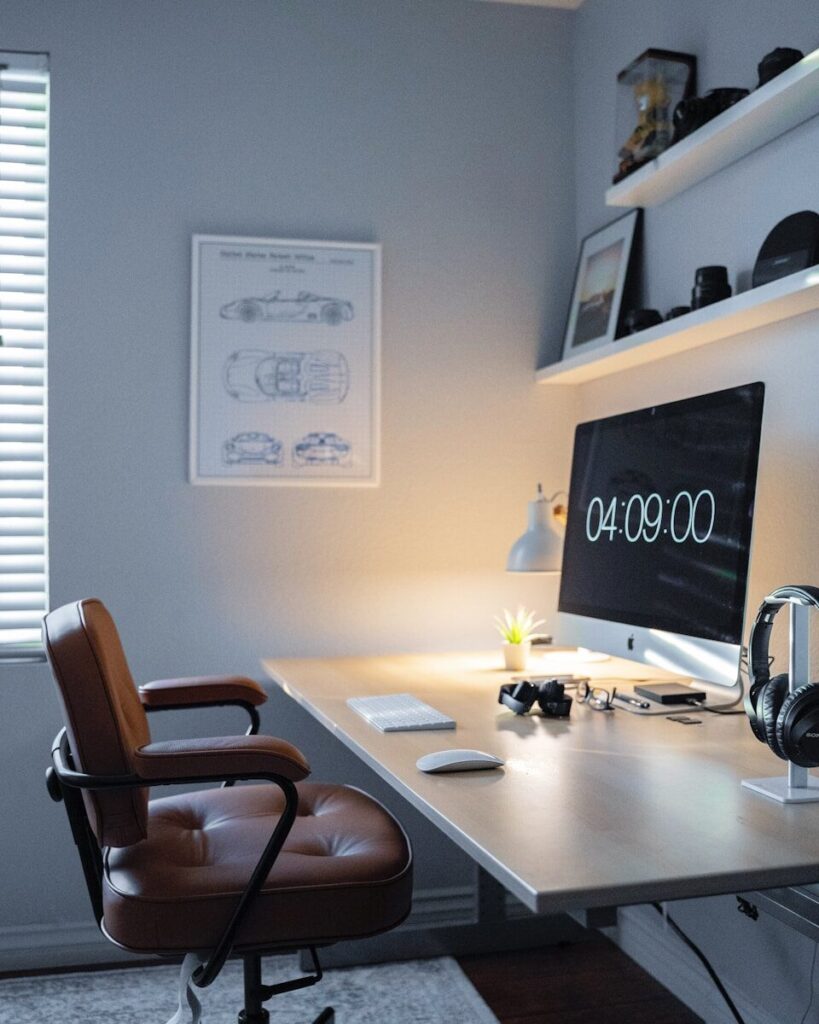
Photo by Michael Soledad on Unsplash
Tips for Remote Work: Regular Breaks Help You Stay Focused and Human
Regular breaks are not a waste of time. They are part of a sustainable focus.
Many remote workers try to push through the day without stopping. They may think taking short breaks will interrupt productivity. In reality, never taking breaks often leads to mental fatigue, irritability, physical tension, and lower-quality work.
Breaks help you reset.
A break might mean stretching, walking around the house, stepping outside, drinking water, resting your eyes, breathing slowly, or briefly talking with someone you care about.
Designated breaks can be especially helpful because they reduce the decision fatigue of asking, “Can I stop now?” If breaks are already part of the plan, you are less likely to view them as a failure.
This is particularly important for highly sensitive or high-performing people who tend to push past their limits. You may be able to keep going, but that does not mean continuing is always wise.
A sustainable work day includes rhythm. Focus, then pause. Work, then reset. Effort, then recovery.
Tips for Remote Work: More Articles Cannot Replace Self-Awareness
Reading more articles about remote work tips can be helpful. Strategies matter. Practical suggestions can give you new ideas and structure.
But information alone does not create change.
At some point, it helps to ask more personal questions.
Why do I struggle to stop working?
What am I afraid will happen if I rest?
Do I feel guilty when I am not productive?
Am I using work to avoid something else?
Do I know what I need outside of achievement?
What does balance actually mean for me?
These questions move beyond productivity and into self-awareness.
For some people, remote work simply requires better routines. For others, remote work reveals deeper patterns around anxiety, perfectionism, self-worth, loneliness, avoidance, or difficulty setting boundaries.
That is not something to judge. It is something to understand.
Therapy can help you explore those patterns with compassion and honesty. The goal is not to make you less ambitious or less capable. The goal is to help you build a life where work has a meaningful place without becoming the whole structure of your identity.
Tips for Remote Work: Creating a Remote Work Routine That Supports Well-Being
A healthy remote work routine does not need to be rigid. It needs to be repeatable enough to support you.
You might begin with a morning routine that helps you transition into the day. You might identify your most important work tasks before checking messages. You might schedule phone calls and video calls during specific windows. You might take regular breaks throughout the day. You might end by writing down what needs attention the following day.
The goal is not perfection. The goal is support.
A remote work routine should help you:
Stay focused without becoming consumed.
Communicate clearly without always being available.
Protect work hours and personal time.
Stay connected with colleagues.
Take care of your body.
Create space for rest.
Return to your personal life when the work day ends.
This kind of routine can improve productivity, but more importantly, it can support emotional steadiness.
Tips for Remote Work: Work-Life Balance Is Built Through Small Choices
Work-life balance is not always a dramatic life overhaul. Often, it is built through small choices made consistently.
Closing the laptop at a set time.
Taking a lunch break.
Letting a non-urgent message wait.
Going outside for fresh air.
Turning off notifications after work hours.
Creating a separate work space.
Talking honestly with a manager or team about expectations.
Choosing rest before complete exhaustion.
These choices may seem small, but they communicate something important to your nervous system: my life is allowed to be larger than my work.
That message matters.
Remote work can be meaningful, flexible, and productive. It can also become overwhelming when boundaries are unclear, and personal needs are ignored. The difference often comes down to intention.
You do not have to be available all the time to be committed.
You do not have to overwork to prove you care.
You do not have to sacrifice your well-being to succeed.
A healthier relationship with remote work begins when you recognize that your focus matters, your work matters, and your life outside of work matters, too.
Helpful Resources for Remote Work, Boundaries, and Work-Life Balance
If you are working remotely, trying to protect your work-life balance, or struggling to turn work off at the end of the day, these resources can help. They offer practical guidance on remote work routines, mental health, boundaries, ergonomics, connection, burnout prevention, and creating healthier work habits.
- American Psychological Association: Psychologists’ Advice for Newly Remote Workers | A helpful guide on creating a workspace, minimizing distractions, setting boundaries, and adjusting emotionally to working from home.
- American Psychological Association: Workers Crave Autonomy and Flexibility | A useful resource on work-life harmony, predictable schedules, personal boundaries, and reducing work stress.
- U.S. Surgeon General: Workplace Mental Health & Well-Being | A strong framework for understanding work-life harmony, connection, protection from harm, mattering at work, and opportunities for growth.
- CDC/NIOSH: How to Optimize Your Work Environment and Stay Healthy | A practical resource on home office setup, physical comfort, mental health, and healthy work-from-home habits.
- CDC/NIOSH: Supporting Mental Health in the Workplace | A helpful overview of how work stress affects mental health and why worker well-being matters across work environments.
- Harvard Business Review: Building Work-Life Boundaries in the WFH Era | A thoughtful article on why remote work can blur boundaries and how people can create clearer separation between work and home life.
- Harvard Business Review: The Realities of Remote Work | A useful read on the challenges of remote work, including blurred work-life boundaries and productivity concerns.
- Harvard Online: It’s Time to Prioritize Your Work-Life Balance | A practical resource on work-life balance, trust, collaboration, connection, and sustainable routines.
- Gallup: The Remote Work Paradox | A data-focused resource on how remote workers can feel more engaged while also experiencing more isolation, stress, and emotional strain.
- Gallup: Remote Work Topic Hub | A helpful collection of research and articles on remote work, hybrid teams, employee well-being, leadership, and workplace flexibility.
- Microsoft WorkLab: Breaking Down the Infinite Workday | A useful resource on the modern workday, interruptions, meetings, notifications, and the pressure to remain constantly available.
- Microsoft Work Trend Index | A research hub focused on changing work patterns, productivity signals, hybrid work, communication, and the future of work.
- CDC: Social Connection | A helpful public health resource on why feeling connected, supported, and valued matters for mental and physical health.
- CDC: Improving Social Connectedness | A practical guide for building and maintaining social connections, which can be especially important for remote workers who feel isolated.
- American Psychological Association: 5 Ways to Improve Employee Mental Health | A helpful workplace mental health resource on supportive workplace practices, employee well-being, and healthier work cultures.
These resources can offer helpful strategies for creating structure, improving focus, protecting boundaries, and staying connected while working remotely. Still, remote work is not only a logistical challenge. It can also reveal deeper patterns around overwork, guilt, isolation, perfectionism, and the difficulty of truly resting.
If working from home has made it harder to separate your work life from your personal life, it may be worth listening to what that struggle is trying to show you. A healthier remote work routine is not just about doing more with your day. It is about building a life where your time, energy, work, and well-being can all have a place.

Remote Work Should Fit Into a Meaningful Life
The best tips for remote work are not only about getting more done. They are about creating a life that feels sustainable, connected, and honest.
Work is important. Purpose is important. Professional growth is important. But so are relationships, health, rest, emotional presence, and the ability to feel like yourself when the work day is over.
If you are struggling to turn work off, feeling isolated, losing routine, or finding that your personal life has become crowded out by work, it may be worth paying attention. Not with shame, but with curiosity.
What is your remote work life asking you to notice?
What boundaries need to be clearer?
What parts of you need more care?
What would help you feel more present in both work and life?
These are meaningful questions.
And with the right support, structure, and self-understanding, remote work can become more than a test of productivity. It can become an opportunity to build a healthier relationship with your time, your energy, your work, and yourself.