


Groundbreaker Therapy does not conduct paid clinical studies, paid research studies, or compensated clinical trials.
If you arrived here looking for a paid research study or received information suggesting that we are recruiting participants for compensation, that information is incorrect.
Dr. Matthew Mandelbaum provides private psychotherapy services only. We are not currently enrolling participants for paid research studies or compensated clinical trials.
Many people I work with are thoughtful, capable, and deeply self-aware. They may be successful in business, tech, law, healthcare, education, or the arts. They may also be emerging adults or university students trying to understand why life feels harder than it looks from the outside.
Often, they come to therapy carrying a quiet question: Why do I keep reacting this way, even when I know better?
Ready to Start Therapy?
Your healing journey can begin today. Fill out the form below to connect with a therapist who truly listens and understands.
In many cases, the answer begins with childhood trauma.
Not everyone who experienced trauma in childhood would describe it that way at first. Some people minimize what happened because others had it worse. Some grew up in homes where emotional pain was ignored, normalized, or hidden. Others became high-achieving adults by learning to stay productive, pleasing, vigilant, or emotionally contained. Those strategies may have helped them survive early pain, but later in life, they can become patterns that feel exhausting, confusing, or lonely.
My work is to help people understand those patterns with compassion, not shame. Therapy can create space to make sense of what happened, how trauma affects the present, and how healing can support the life, relationships, and family you want to build.

Photo by Caleb Woods on Unsplash
Understanding Childhood Trauma and Adverse Childhood Experiences
Childhood trauma includes a wide range of painful or overwhelming experiences that happen during childhood or early childhood. Some of these experiences are obvious, like physical abuse, sexual abuse, emotional abuse, child abuse, or child maltreatment. Others may be less visible but still deeply harmful, including chronic neglect, parental separation, exposure to community violence, witnessing violence, food insecurity, repeated medical crises, or living in a child’s environment that felt unstable, frightening, or unpredictable.
These experiences are often described as adverse childhood experiences, or ACEs. ACEs can include abuse and neglect in the home, but they can also involve broader community factors and family stressors that shape a child’s sense of safety and stability.
Trauma does not only mean one dramatic event. It can also come from repeated relational pain, chronic fear, or growing up in a child’s environment where emotional needs were not met. Sometimes trauma occurred because of direct harm. Other times, it came from what was missing: protection, attunement, consistency, or care.
What matters is not whether someone else would label your experience as traumatic. What matters is how those early experiences shaped your nervous system, your stress response, your sense of self, and your way of relating to other people.
How Traumatic Events in Childhood Can Shape Adult Life
When traumatic events happen in childhood, children do not have the same internal resources that adults do. Their brains, bodies, and emotional systems are still developing. As a result, early childhood trauma often gets organized not as a clear story, but as patterns in the body, emotions, beliefs, and relationships.
This is one reason trauma affects adulthood in ways people do not always expect.
A person may grow up and become highly competent, high-achieving, and insightful. They may appear calm and capable while privately struggling with anxiety, self-doubt, perfectionism, emotional shutdown, or relationship difficulty. They may not consciously connect these patterns to traumatic experiences from childhood, but the connection is often there.
For some people, trauma creates a constant feeling of needing to stay prepared. For others, it creates a powerful fear of conflict, rejection, dependence, or vulnerability. Some adults become caretakers. Some become overachievers. Some disconnect from their emotions entirely. Some live with chronic difficulty trusting their own needs.
These are not character flaws. They are adaptive responses to environments where safety, consistency, or emotional connection were compromised.
Childhood Trauma, Mental Health, and Emotional Abuse
Childhood trauma can have a lasting effect on mental health. Studies suggest that adults who experienced trauma early in life may face a greater risk of anxiety, depression, trauma-related symptoms, relationship struggles, and other mental health problems.
That does not mean trauma determines your future. It does mean early experiences matter.
One especially overlooked form of trauma is emotional abuse. Many people assume trauma must involve physical harm, but emotional humiliation, chronic criticism, rejection, manipulation, or growing up with caregivers who were emotionally frightening or unavailable can leave deep wounds. Emotional abuse can shape self-worth, identity, self-trust, and the ability to feel secure in relationships.
Some people who experienced trauma go on to develop post-traumatic stress disorder or other forms of traumatic stress. Others may not meet formal diagnostic criteria for PTSD but still feel its effects every day in the form of emotional reactivity, dissociation, shame, numbing, or chronic vigilance.
Trauma can also contribute to substance use, burnout, people-pleasing, self-criticism, or a persistent sense that one must always earn love, safety, or belonging.
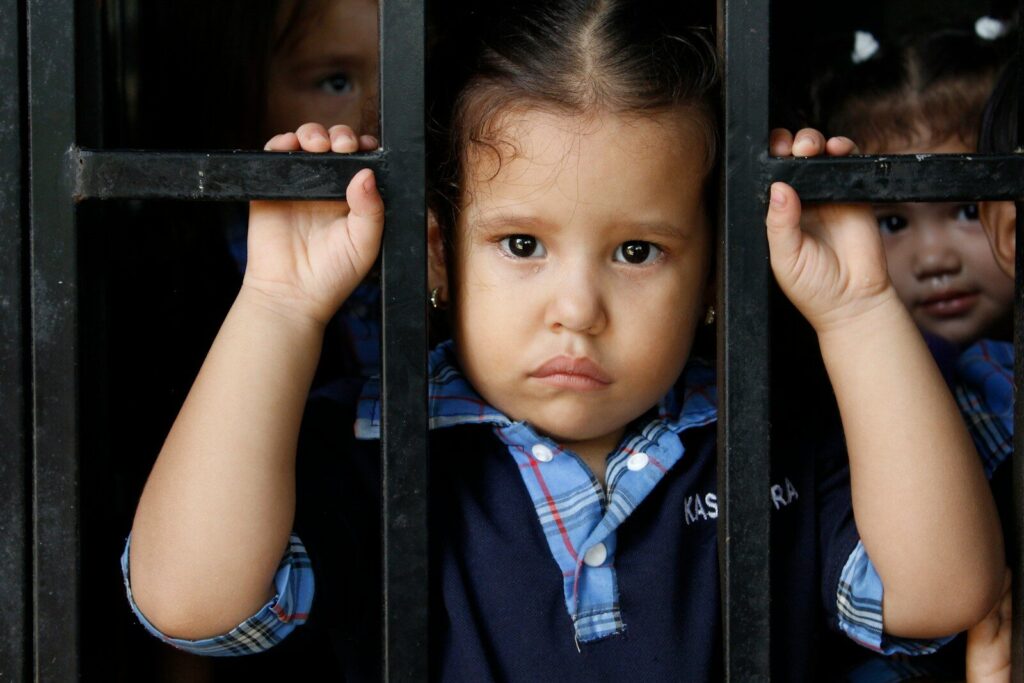
Photo by Stefano Carboni on Unsplash
The Impact of Childhood Trauma on Physical Health
Trauma does not stay neatly in the mind. It can also affect physical health and long-term adult health.
When the body’s stress response is activated again and again in childhood, it can shape how a person responds to stress for years afterward. The nervous system may stay on alert. Rest may feel unfamiliar. The body may carry tension, fatigue, digestive issues, sleep problems, or other physical symptoms tied to chronic activation.
Research has also linked early trauma and adversity to a greater risk of later health challenges. Studies have explored associations between adverse experiences and conditions involving the immune system, inflammation, and long-term disease risk. Over time, chronic stress may play a role in vulnerability to problems like heart disease, diabetes, and other health concerns.
This is one reason I take a whole-person approach. Emotional pain is real, but so is the burden trauma places on the body. Healing matters not just for peace of mind, but for overall well-being.
Community Violence, Abuse, and the Child’s Environment
A child does not need to be directly harmed for trauma to take root. Sometimes, potentially traumatic events happen around a child rather than directly to them.
Growing up around community violence, interpersonal violence, chaos, substance abuse, or repeated instability can affect a child’s development in powerful ways. A car accident, natural disaster, frightening medical procedures, loss, or sudden family disruption can also become part of a child’s trauma story. Older children may remember these experiences clearly, while younger children may carry them more through body memory, fear, and emotional patterning.
A child’s environment matters. Community factors, family stress, caregiver instability, abuse and neglect, and lack of emotional safety can all shape how children understand themselves and the world.
Children are always learning from their surroundings. They learn whether other people are safe. They learn whether emotions are manageable. They learn whether their needs matter. They learn whether home feels like protection or unpredictability.
Those lessons often follow them into adulthood.
Protective Factors and Self-Regulation in Healing
The good news is that trauma is not the whole story. There are also protective factors that can reduce harmful effects and support resilience.
Protective factors can include having even one safe, attuned caregiver, access to supportive relationships, a strong community connection, emotional validation, stability, and later access to therapy or meaningful support. These experiences help protect development and create opportunities for healing, even when trauma has been significant.
One important area of growth is self-regulation. Many adults who experienced childhood trauma blame themselves for reacting intensely, shutting down, overthinking, or struggling to calm their bodies and minds. But often those reactions make sense in light of what they lived through.
Self-regulation is not about becoming emotionless. It is about learning how to notice what is happening inside you, respond with skill and care, and create more internal safety over time. In my work, I often integrate DBT and other therapeutic methods to help clients strengthen emotional awareness, distress tolerance, and healthier ways of responding to stress.
When people build self-regulation, they often begin to feel more choice in their lives. That change can be profound.
Mental Health Services and the Work of Building the Life You Want
Seeking mental health services is not a sign of weakness. It is often an act of courage and clarity.
Many high-achieving adults are used to solving problems on their own. They may be the dependable one, the insightful one, or the one everyone turns to. But healing from trauma often requires more than insight alone. It requires a space where you do not have to perform, explain everything away, or keep holding it all together.
Therapy can help you understand how childhood trauma still shapes your present life. It can help you identify patterns in relationships, work, self-worth, boundaries, and emotional reactions. It can also help you create something new.
For some people, that means building healthier romantic relationships. For others, it means becoming the kind of parent they never had. For others, it means choosing a different path before starting a family. Sometimes it means learning how to feel safe enough to rest, trust, grieve, speak honestly, or stop repeating patterns that once felt inevitable.
My mission is to provide compassionate, evidence-based therapy that helps individuals navigate life’s challenges and foster personal growth. I am dedicated to helping my clients overcome emotional barriers, build resilience, and create meaningful, fulfilling lives. Through a personalized approach that integrates Dialectical Behavior Therapy and other therapeutic methods, I aim to empower each person to heal from past difficulties and move forward with confidence, clarity, and purpose.
Creating the Family, Relationships, and Future You Want
One of the most meaningful parts of healing is realizing that awareness can lead to different choices.
If you experienced trauma in childhood, you may worry about repeating old patterns. You may fear choosing the wrong partner, recreating family dynamics, or carrying unresolved pain into the next chapter of your life. These fears are understandable. But they do not mean you are destined to repeat the past.
Healing helps people become more conscious about what they want to build.
It helps them recognize when old wounds are shaping present decisions. It helps them choose relationships with more care. It helps them communicate more clearly, set healthier boundaries, and respond rather than react. It helps them create homes and families grounded in safety, respect, emotional presence, and repair.
I believe that with the right tools and support, anyone can transform past struggles into wisdom and strength. My vision is to help people foster emotional resilience, self-acceptance, and personal growth so they can lead balanced, fulfilling lives.
The work of healing childhood trauma is not only about understanding what hurt you. It is also about deciding what you want to create now.
When Childhood Trauma Still Shows Up in Adulthood
Sometimes people assume they should be “over it” by now. They may say, “That happened years ago,” or “My childhood was complicated, but I’m functioning.” And yet their present life still feels shaped by old pain.
You might notice unresolved trauma showing up as:
- Persistent anxiety or overthinking
- Difficulty trusting other people
- Fear of abandonment or rejection
- Emotional numbness
- Perfectionism and chronic self-pressure
- People-pleasing or overfunctioning
- Difficulty resting or feeling safe
- Relationship patterns that feel painfully familiar
- Physical symptoms connected to stress
- A sense of being successful on paper but unsettled inside
These patterns often make sense when viewed through the lens of trauma. They are not random. They are often the lingering imprint of a nervous system that learned early to adapt, endure, and survive.
FAQ
What is childhood trauma?
Childhood trauma refers to distressing or overwhelming experiences during childhood, including abuse, neglect, witnessing violence, serious accidents, disasters, or other events that disrupt a child’s sense of safety and stability. ACEs, or adverse childhood experiences, are one common framework for understanding these experiences.
How can childhood trauma affect adulthood?
Childhood trauma can shape adult stress responses, relationships, self-worth, emotional regulation, and mental health. It can also affect long-term well-being and is associated with a higher risk for later mental and physical health problems.
Can someone be high-functioning and still be affected by childhood trauma?
Yes. Many adults who experienced trauma appear capable and successful on the outside while still struggling with anxiety, perfectionism, emotional shutdown, chronic stress, or difficulty feeling safe in close relationships. Trauma does not always look obvious from the outside.
Is emotional abuse really considered trauma?
Yes. Emotional abuse can have lasting effects on mental health, self-esteem, relationships, and a person’s overall sense of safety. Trauma is not limited to physical harm.
Can childhood trauma affect physical health, too?
Yes. Research from the CDC and related public health sources shows that adverse childhood experiences are linked with long-term health risks, including chronic stress-related health problems and poorer adult health outcomes.
What are protective factors after childhood trauma?
Protective factors include safe, stable, nurturing relationships and supportive environments. These can reduce the harmful effects of adversity and support resilience and recovery over time.
Can therapy help with childhood trauma?
Yes. Trauma-informed therapy can help people understand their patterns, process painful experiences, strengthen self-regulation, and build healthier relationships and coping strategies.
When should someone seek support?
It is worth seeking support when old experiences still seem to affect daily life, relationships, stress levels, sleep, mood, or sense of safety. PTSD symptoms or trauma responses that interfere with work or relationships are especially important to address.
Resources for Learning More About Childhood Trauma
If readers want to explore childhood trauma, healing, and recovery more deeply, these are strong places to start:
- CDC: About Adverse Childhood Experiences (ACEs) | A clear overview of what ACEs are and how they can affect long-term health and well-being.
- CDC: Preventing Adverse Childhood Experiences | Helpful for understanding prevention and the importance of safe, stable, nurturing relationships.
- CDC: About the CDC-Kaiser ACE Study | Good background on the major public health research connecting childhood adversity with later-life outcomes.
- SAMHSA: Trauma and Violence – What Is Trauma and Its Effects? | A broad, reader-friendly explanation of trauma, traumatic stress, and trauma-informed care.
- SAMHSA: Understanding Child Trauma | Focused specifically on how trauma affects children and how adults can support recovery.
- SAMHSA: Trauma-Informed Approaches and Programs | Useful for readers who want to understand what trauma-informed support looks like in practice.
- NIMH: Coping With Traumatic Events | Practical information on trauma reactions, coping, and when to seek help.
- NIMH: Post-Traumatic Stress Disorder (PTSD) | A strong resource for symptoms, treatment, and understanding when trauma responses may rise to PTSD.
- NIMH: Helping Children and Adolescents Cope With Traumatic Events| Especially useful for parents, caregivers, and adults trying to understand how trauma affects younger people.
- NCTSN: What Is Child Trauma? | A solid overview from the National Child Traumatic Stress Network on how child traumatic stress develops and shows up.
- NCTSN: Trauma Types| Helpful for readers who want examples of the many forms trauma can take, including violence, disasters, and loss.
- NCTSN: Resources Library | A large collection of trauma resources for children, families, caregivers, and clinicians.
If childhood trauma is still shaping your relationships, stress response, or sense of self, therapy can be a space to better understand those patterns and begin building the life you want.

Photo by Jordan Whitt on Unsplash
Healing Childhood Trauma With Compassion and Support
Healing from childhood trauma is not about blaming yourself, blaming your family, or rewriting your past into something simpler than it was. It is about understanding your life more honestly and compassionately.
It is about seeing the link between early experiences and present-day patterns.
It is about making conscious choices instead of living on autopilot.
It is about learning that your reactions have meaning, your pain deserves attention, and your future does not have to be shaped only by what happened before.
At Groundbreaker Therapy, I work with highly sensitive, intelligent individuals across 43 states, including professionals, emerging adults, and university students who want to better understand themselves and build more grounded, fulfilling lives. Therapy can be a place to process what you experienced, strengthen self-regulation, improve relationships, and move toward the future you want with greater clarity and confidence.
If childhood trauma is still affecting your relationships, identity, stress response, or sense of safety, you do not have to work through it alone. Healing is possible. And the life and family you want to create can begin with the choices you make now.